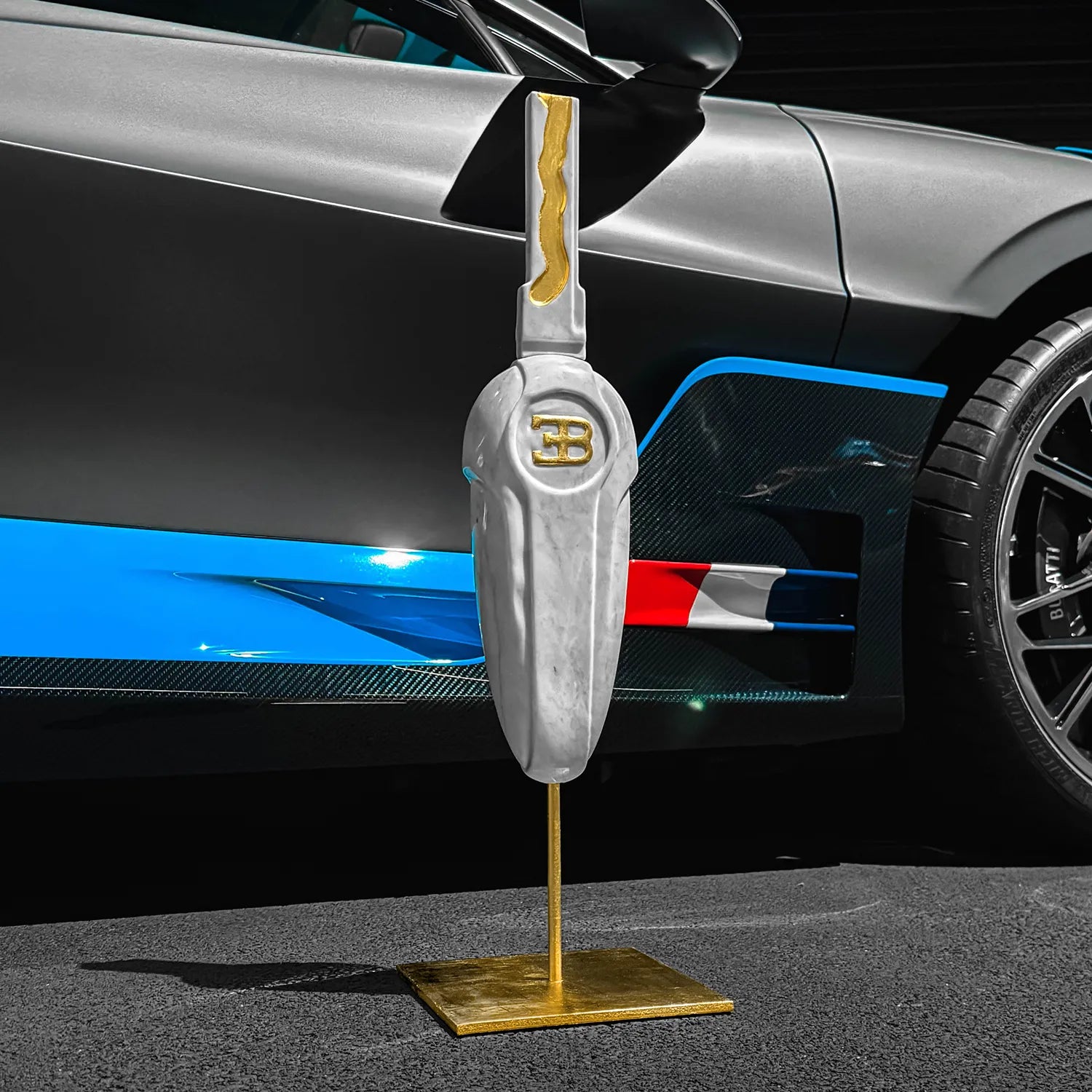

Unlocking the Value: Why Investing in Art Makes Sense Today
In a world where financial markets can be volatile and traditional investments often yield modest returns, savvy investors are increasingly turning their attention to a unique asset class: art. As the art market continues to evolve and mature, investing in fine art has become a compelling proposition for those seeking to diversify their portfolios and unlock long-term value.
The Art of Investing
Art has long been regarded as a tangible, physical representation of human creativity and expression. However, in recent years, it has also emerged as a viable investment opportunity, offering investors the chance to capitalize on the inherent value and appreciation potential of exceptional works. Unlike stocks or bonds, which can be subject to the whims of the market, art has demonstrated a remarkable ability to hold its value and even appreciate over time.
Appreciating Value
One of the primary reasons why investing in art makes sense today is the potential for significant appreciation in value. While the art market can be unpredictable, with some works skyrocketing in value while others languish, the overall trend has been one of steady growth. According to the Artprice Global Index, the value of fine art has increased by an average of 7.4% per year over the past decade, outpacing the performance of many traditional asset classes.
This appreciation can be attributed to a variety of factors, including the scarcity of high-quality, museum-worthy works, the increasing demand from a global pool of collectors, and the growing recognition of art as a valuable investment vehicle. As more individuals and institutions recognize the inherent value of art, the competition for the most sought-after pieces can drive prices higher, creating opportunities for savvy investors to capitalize on this trend.
Diversification and Stability
In addition to the potential for appreciation, investing in art can also provide a valuable source of diversification for investors' portfolios. Unlike stocks or bonds, which are often closely tied to the performance of the broader financial markets, art has historically demonstrated a low correlation with traditional asset classes. This means that investing in art can help to mitigate the overall risk of an investment portfolio, providing a hedge against market volatility and economic downturns.
Moreover, art has proven to be a relatively stable investment, with the art market often weathering economic storms better than other sectors. During the 2008 financial crisis, for example, the art market experienced a relatively modest decline compared to the steep drops seen in the stock market. This resilience can be attributed to the inherent value and scarcity of high-quality art, as well as the emotional and cultural significance that many collectors attach to their acquisitions.
The Meaning and Legacy of Art
Beyond the financial considerations, investing in art can also offer investors a deeper sense of meaning and legacy. Art has the power to evoke emotions, challenge perspectives, and leave a lasting impact on both the collector and the broader community. By investing in works that resonate with their personal values and interests, collectors can not only build a valuable asset but also contribute to the preservation and appreciation of human creativity and expression.
Connecting with Art
For many investors, the act of acquiring and curating a collection of art is a deeply personal and rewarding experience. By immersing themselves in the world of art, they can develop a deeper understanding and appreciation for the creative process, the cultural context, and the stories behind the works they collect. This connection can provide a sense of fulfillment and enrichment that goes beyond the purely financial aspects of the investment.
Leaving a Legacy
Investing in art can also be a way for individuals to leave a lasting legacy. By building a collection that reflects their personal tastes, values, and interests, collectors can ensure that their passion for art is preserved and passed down to future generations. This can be particularly meaningful for those who wish to contribute to the cultural heritage of their community or support the careers of emerging artists.
Navigating the Art Market
While the potential rewards of investing in art are significant, it is important to approach the art market with a well-informed and strategic mindset. Successful art investors often rely on the expertise of art professionals, such as galleries, auction houses, and art advisors, to help them navigate the complexities of the market and make informed decisions.
Developing Expertise
Investing in art requires a deep understanding of the market, the artists, and the underlying factors that drive value. This can be a time-consuming and complex process, but it is essential for those who wish to maximize their returns and minimize their risks. By developing a strong knowledge base and cultivating relationships with industry experts, investors can increase their chances of identifying and acquiring works that are likely to appreciate in value over time.
Diversifying the Portfolio
As with any investment strategy, diversification is key when it comes to investing in art. By building a portfolio that includes a variety of artists, mediums, and genres, investors can mitigate the risks associated with the art market and increase their chances of long-term success. This can involve investing in both established artists with a proven track record, as well as emerging talents who show promise for future growth.
Conclusion
In a world where traditional investments can be increasingly unpredictable, investing in art offers a unique opportunity to diversify one's portfolio, unlock long-term value, and leave a lasting legacy. By recognizing the inherent value and appreciation potential of fine art, savvy investors can capitalize on the art market's resilience and growth, while also connecting with the deeper meaning and cultural significance that art can provide.
Whether you are a seasoned collector or a newcomer to the art world, the time has never been better to explore the possibilities of investing in art. By working with experienced professionals and developing a well-informed, strategic approach, you can unlock the true value of this remarkable asset class and create a portfolio that not only generates financial returns but also enriches your life and the lives of those around you.