
From Ferrari Allocations to Art Collecting: Understanding Modern Luxury Scarcity
In the world of luxury, scarcity has become a driving force behind the allure and desirability of certain products and experiences. From the coveted Ferrari allocations to the exclusive world of contemporary art collecting, the concept of limited availability has transformed the way we perceive and value these high-end offerings. In this blog post, we'll explore the intricacies of modern luxury scarcity and how it has shaped the landscape of collectible art and automotive enthusiasts.
The Allure of Exclusivity
In an age of mass production and global accessibility, the idea of exclusivity has become a powerful marketing tool for luxury brands. By carefully controlling the supply of their most sought-after products, these companies create a sense of desirability and prestige that goes beyond the inherent quality or functionality of the item itself. This scarcity-driven approach has been particularly evident in the automotive industry, where brands like Ferrari have cultivated a loyal following of collectors and enthusiasts who are willing to wait years for the opportunity to own a specific model.
The Ferrari allocation process, for example, is a prime example of how luxury scarcity can drive demand. Each year, the Italian automaker carefully selects a limited number of buyers who are deemed worthy of owning one of their latest and most exclusive models. This selection process, which takes into account factors such as an individual's history with the brand and their involvement in the Ferrari community, creates a sense of exclusivity that only adds to the allure of the vehicle.
The Rise of Collectible Art
The art world has also embraced the concept of scarcity as a means of driving value and desirability. Contemporary artists, galleries, and auction houses have become adept at creating a sense of exclusivity around their offerings, often limiting the number of available works or even producing unique pieces that can never be replicated.
This scarcity-driven approach has led to the rise of a new generation of art collectors who are driven by the desire to own something that is truly one-of-a-kind. These collectors are willing to pay premium prices for works that they believe will appreciate in value over time, creating a dynamic and ever-evolving market for contemporary art.
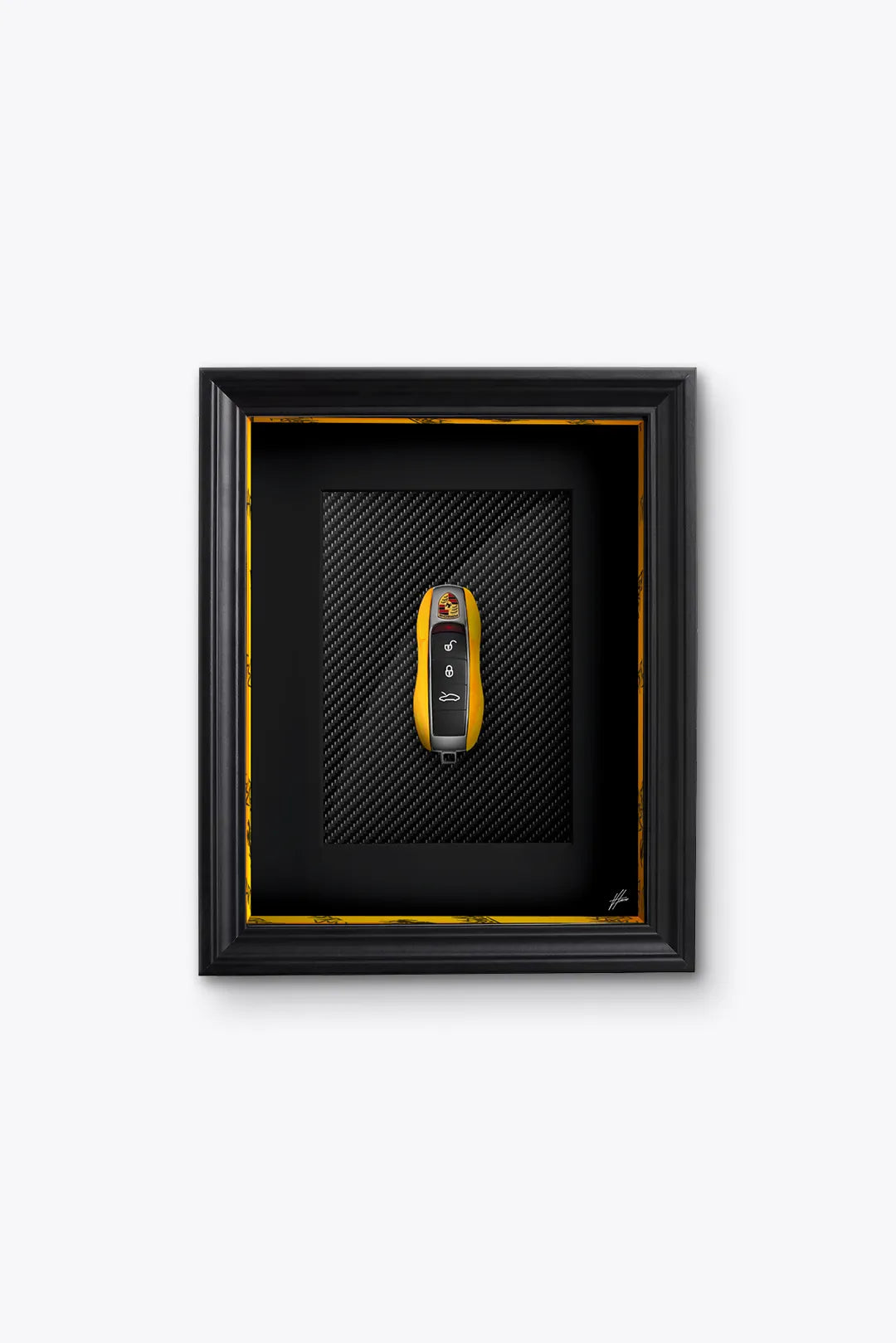
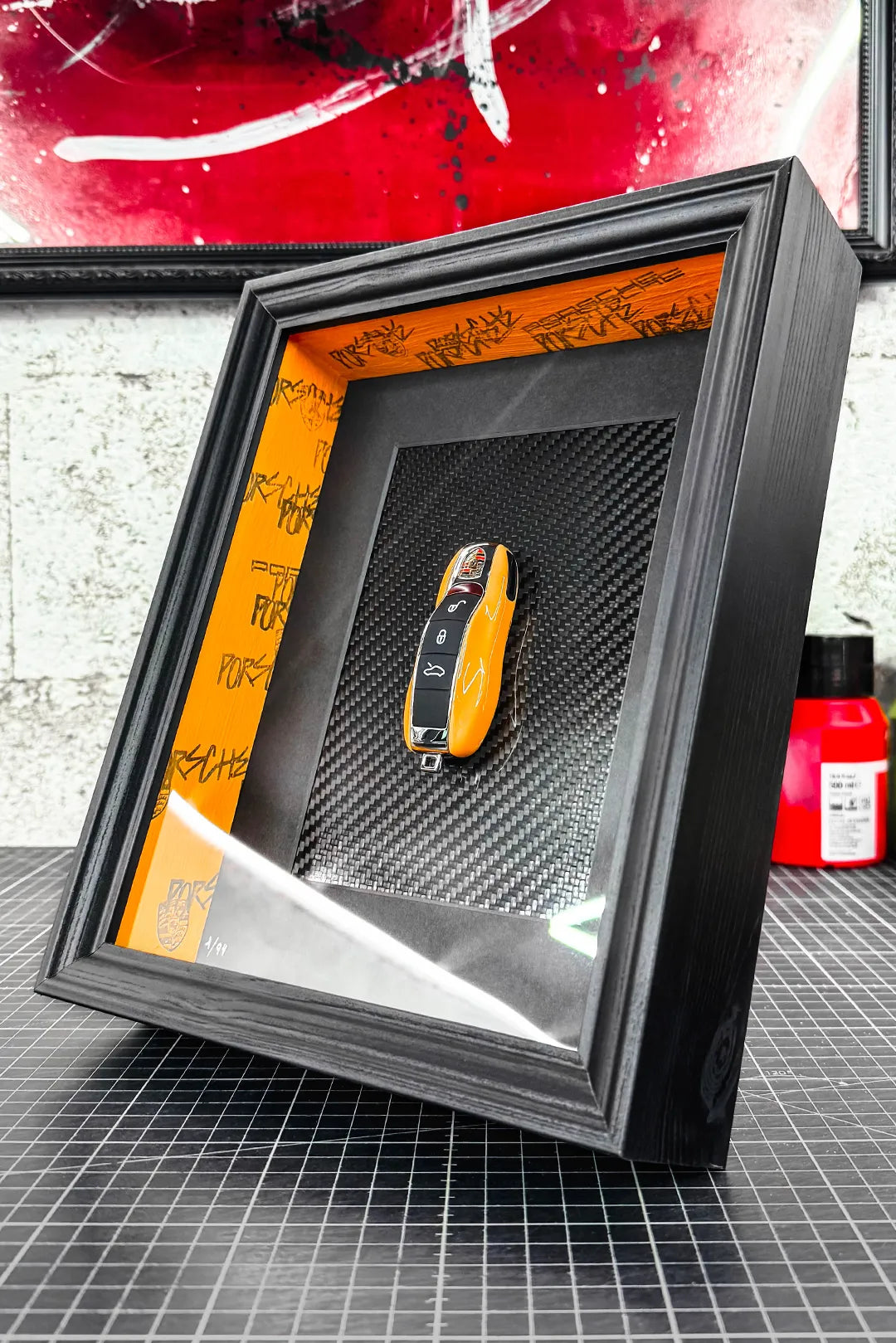
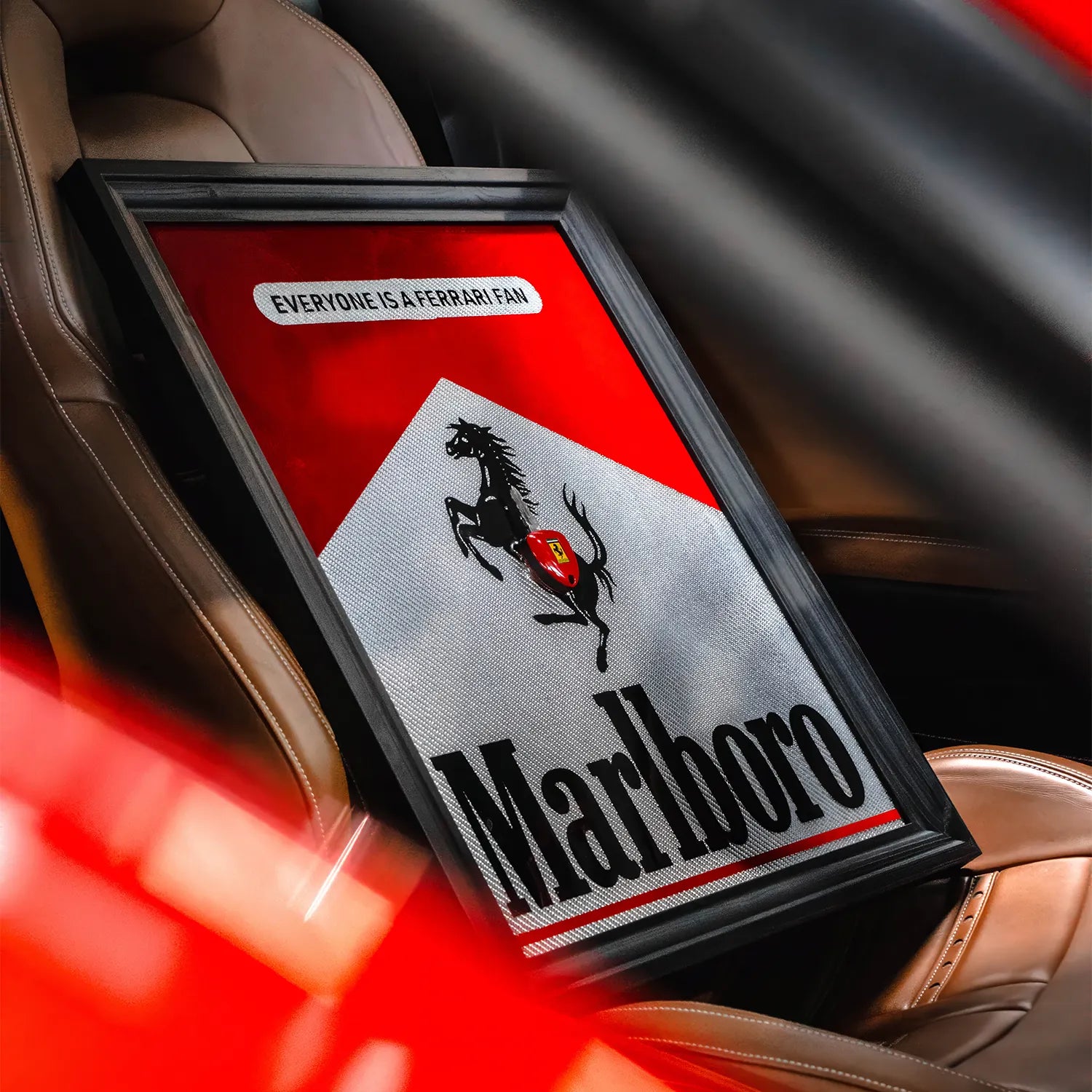
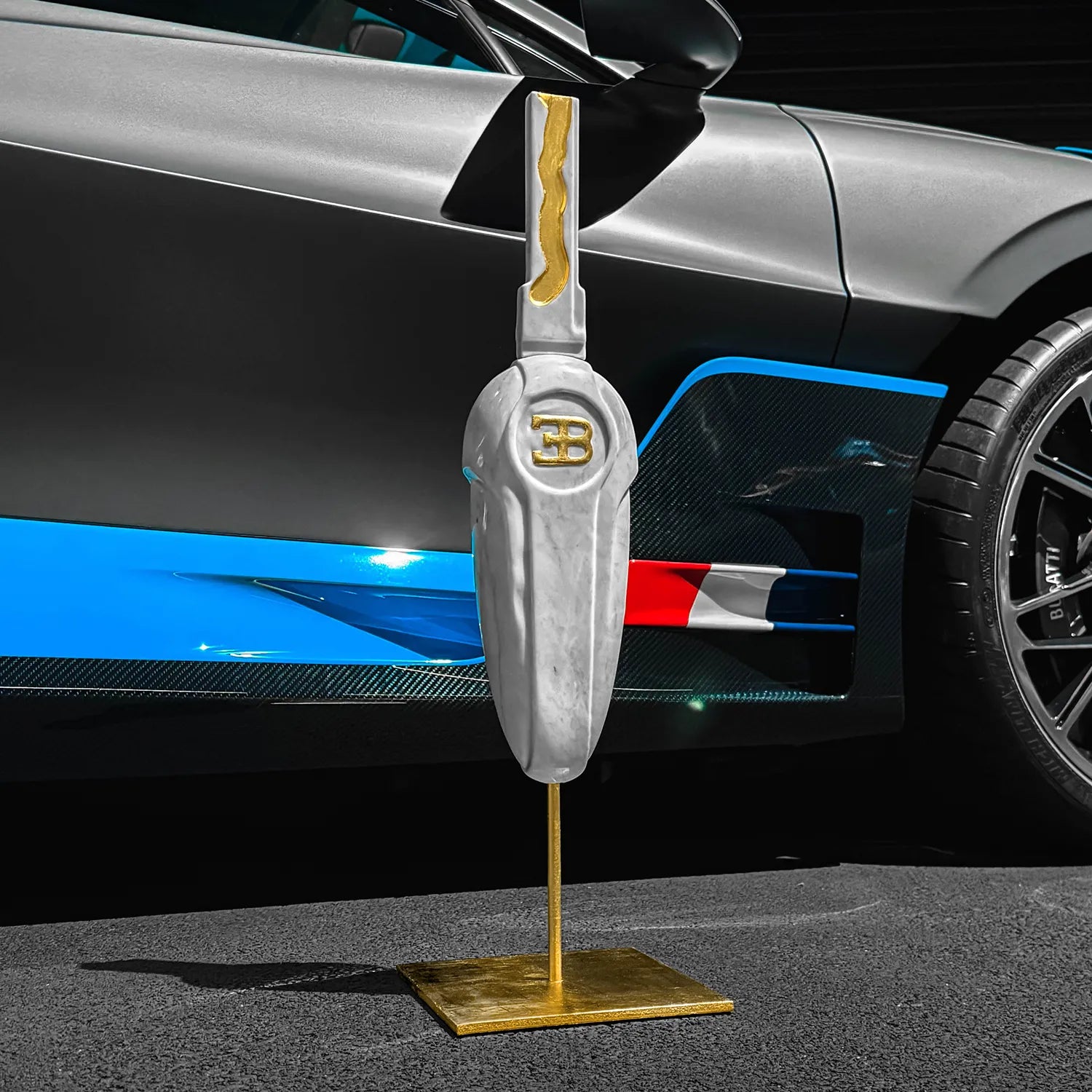
One artist who has capitalized on this trend is Hilario, a French artist who has gained a reputation for his innovative use of materials and his ability to blend art and automotive design. Hilario's works, which often feature repurposed automotive components and materials, have become highly sought-after by collectors who are drawn to the exclusivity and uniqueness of his creations.
The Intersection of Luxury and Art
The intersection of luxury and art has become increasingly blurred in recent years, with many luxury brands seeking to align themselves with the world of contemporary art as a means of enhancing their brand image and appealing to a more discerning and sophisticated consumer.
This trend has been particularly evident in the automotive industry, where luxury brands have partnered with artists to create limited-edition vehicles and exclusive experiences for their most loyal customers. Ferrari, for example, has collaborated with a number of contemporary artists to create unique works of art that are only available to a select group of collectors.
Similarly, Hilario has worked with a number of luxury automotive brands to create custom art pieces that blend his unique aesthetic with the iconic designs of these high-end vehicles. By leveraging the exclusivity and desirability of these luxury brands, Hilario has been able to create a new and highly sought-after category of collectible art that appeals to a growing audience of automotive enthusiasts and art collectors alike.
The Future of Luxury Scarcity
As the demand for exclusive and limited-edition products continues to grow, it is likely that the concept of luxury scarcity will continue to shape the landscape of both the automotive and art worlds. Brands and artists will need to find new and innovative ways to create a sense of exclusivity and desirability around their offerings, whether through carefully curated allocation processes, limited-edition collaborations, or the creation of truly one-of-a-kind works of art.
For collectors and enthusiasts, the challenge will be to navigate this increasingly complex and competitive market, identifying the most valuable and desirable offerings and positioning themselves to take advantage of the opportunities that arise. Whether it's securing a coveted Ferrari allocation or acquiring a rare and exclusive work of art, the ability to understand and capitalize on the dynamics of luxury scarcity will be a key driver of success in these high-stakes arenas.
As we look to the future, it is clear that the concept of luxury scarcity will continue to evolve and shape the way we think about and engage with the world of high-end products and experiences. By understanding the underlying drivers and dynamics of this phenomenon, we can better position ourselves to navigate the ever-changing landscape of modern luxury and collectible art.