When a passion for cars becomes an artistic investment
When we think of contemporary art, we often picture abstract canvases, complex installations, or avant-garde sculptures. However, there is one French artist who has pushed the boundaries of what we consider art by incorporating his passion for automobiles. Welcome to Hilario'Art, where the encounter between art and mechanics gives birth to unique and fascinating works.
From art school to the auto repair shop
Hilario is a French artist who graduated from a school of contemporary art and graphic design. After exploring various techniques and mediums, he was quickly captivated by the possibilities offered by composite materials. His research then led him to the automotive world, where he discovered an ideal playground for expressing his creativity.
"I have always been passionate about cars, their lines, their curves, their design. When I started working with composite materials, I realized that I could combine this passion with my artistic work," explains Hilario.
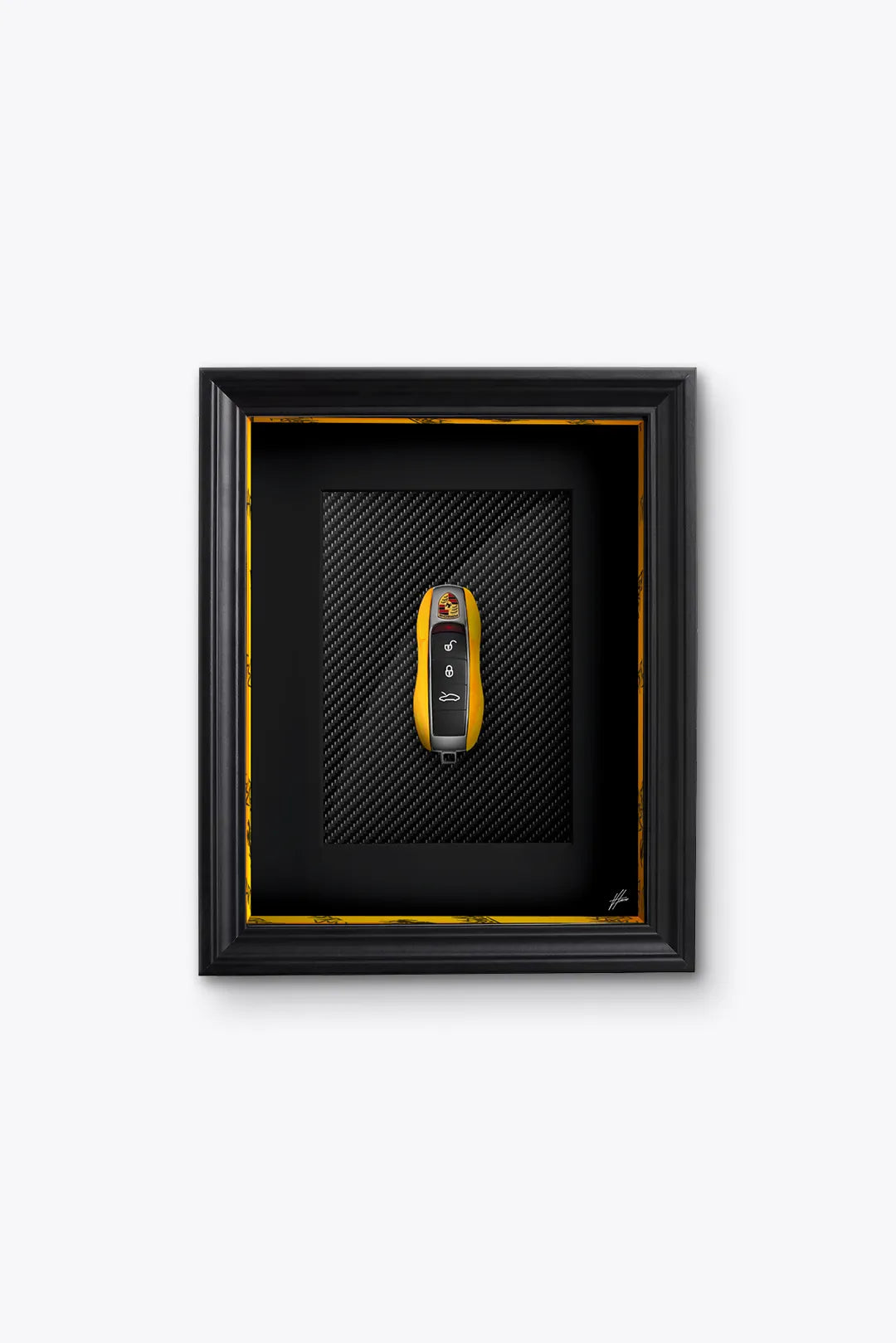
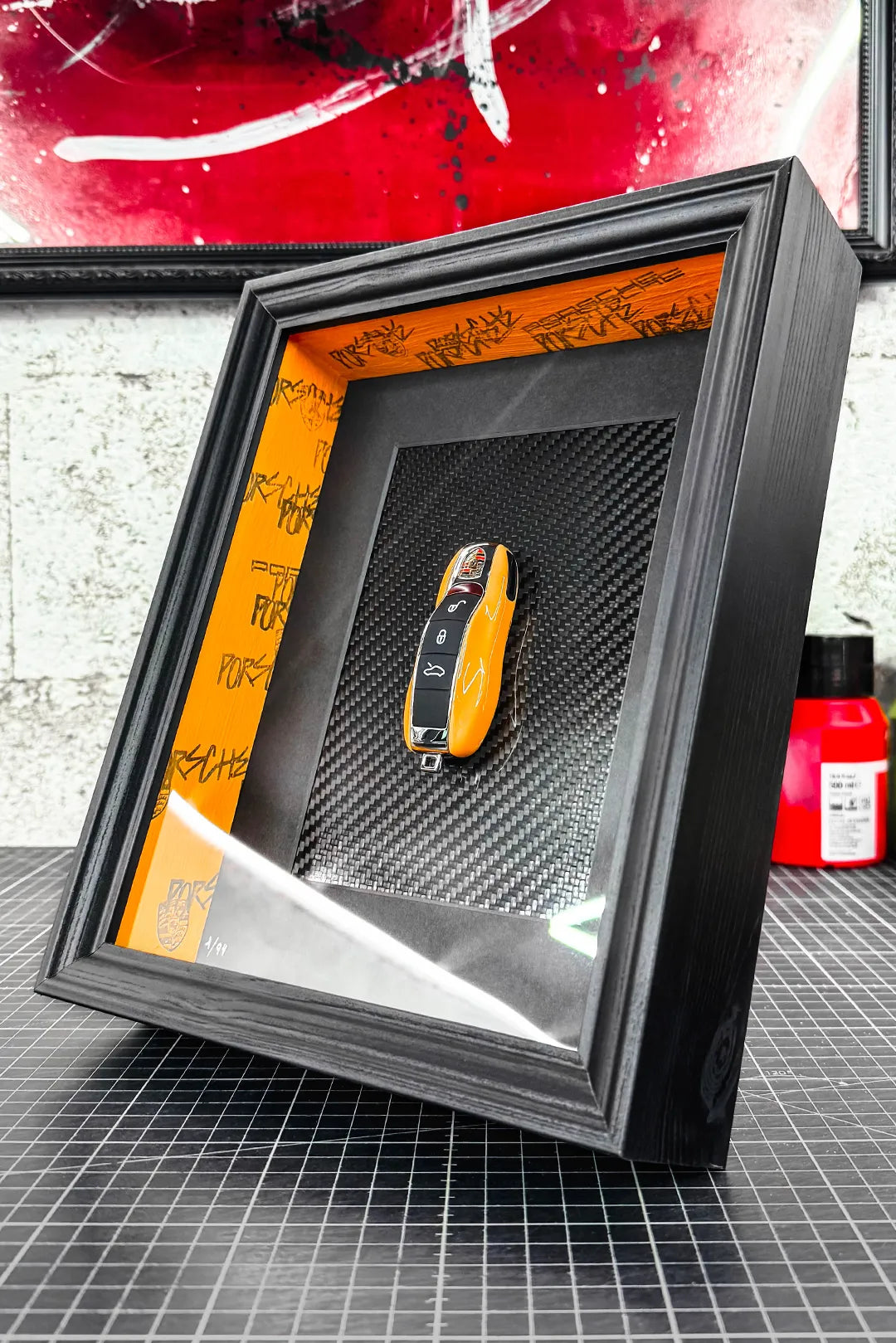
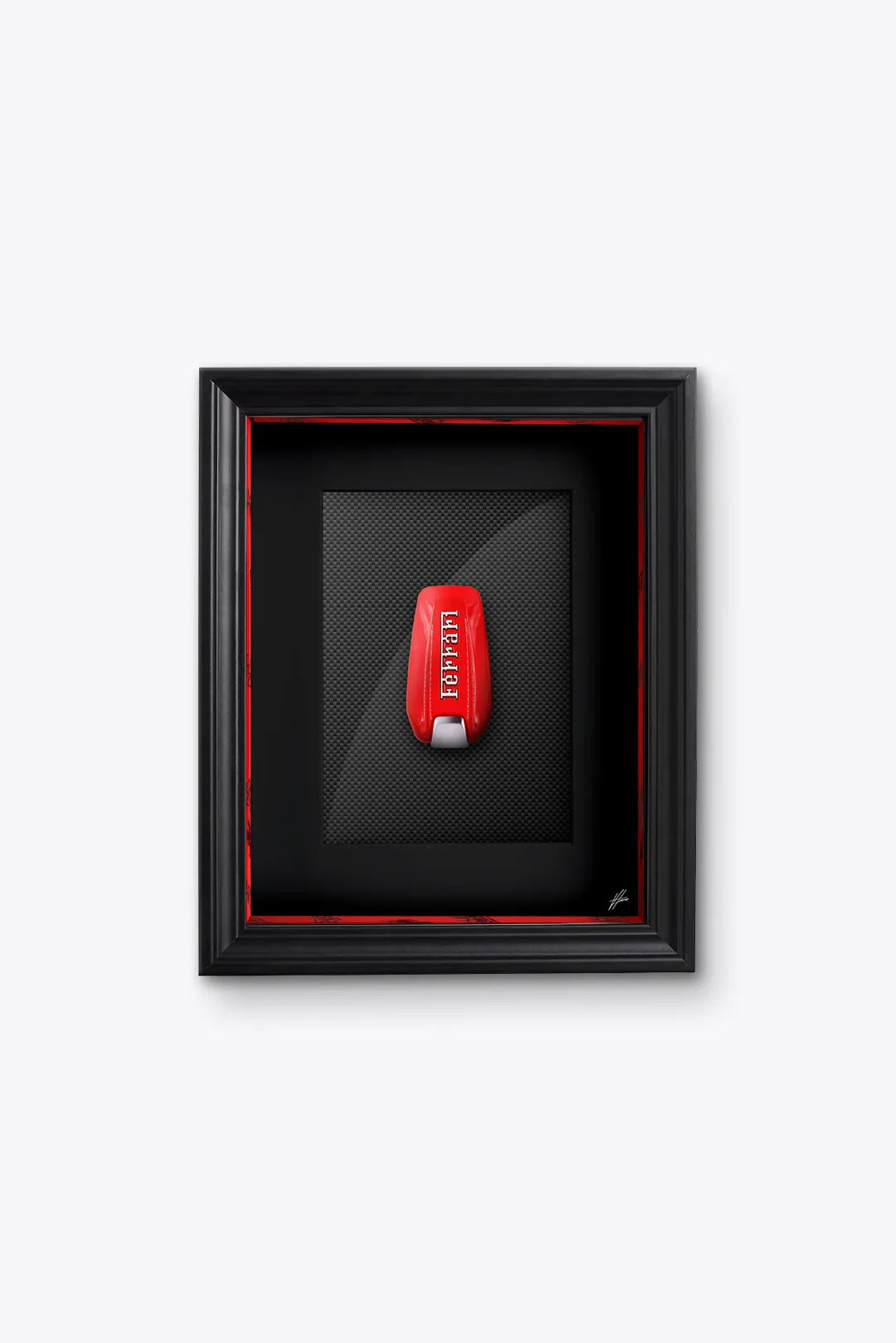
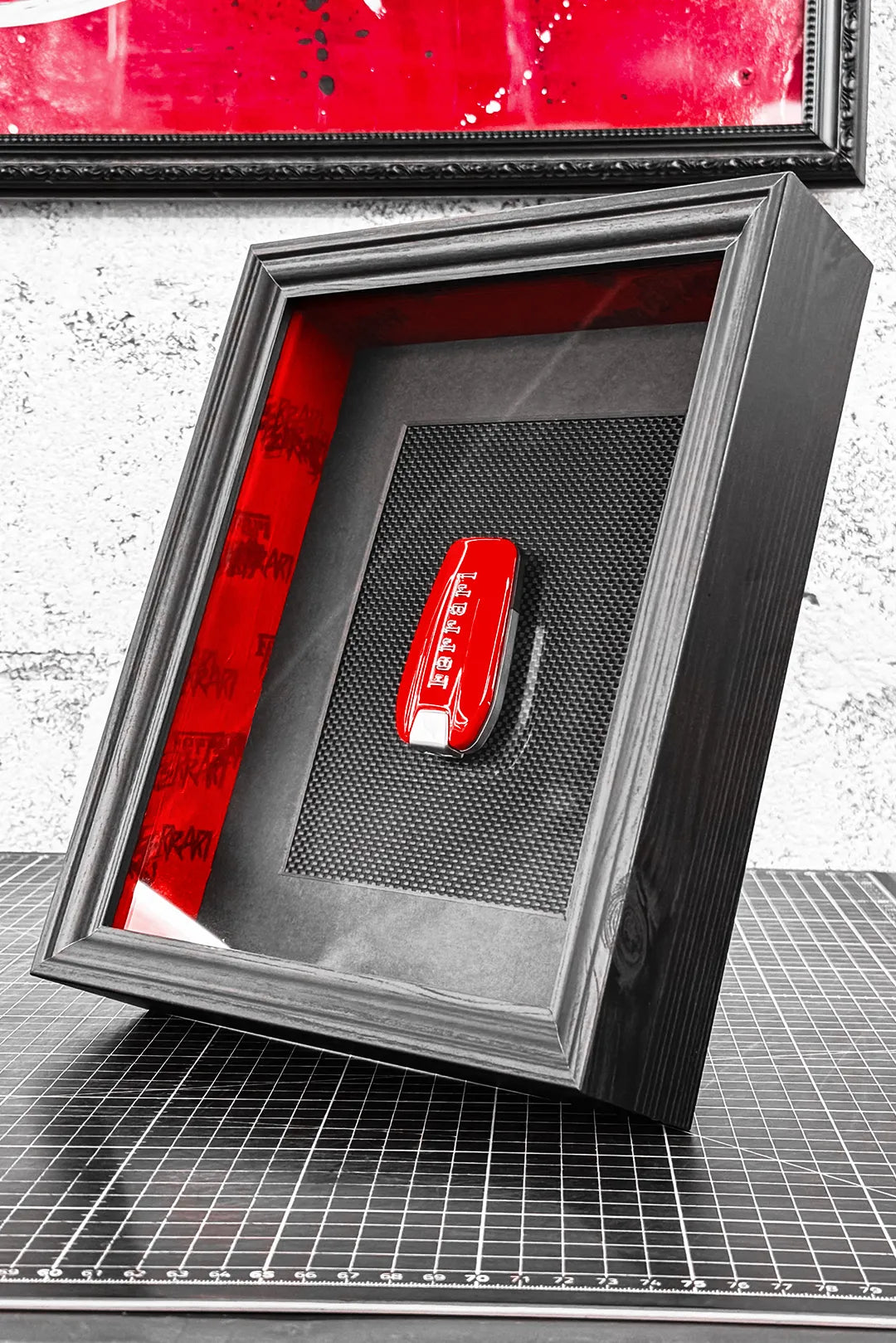
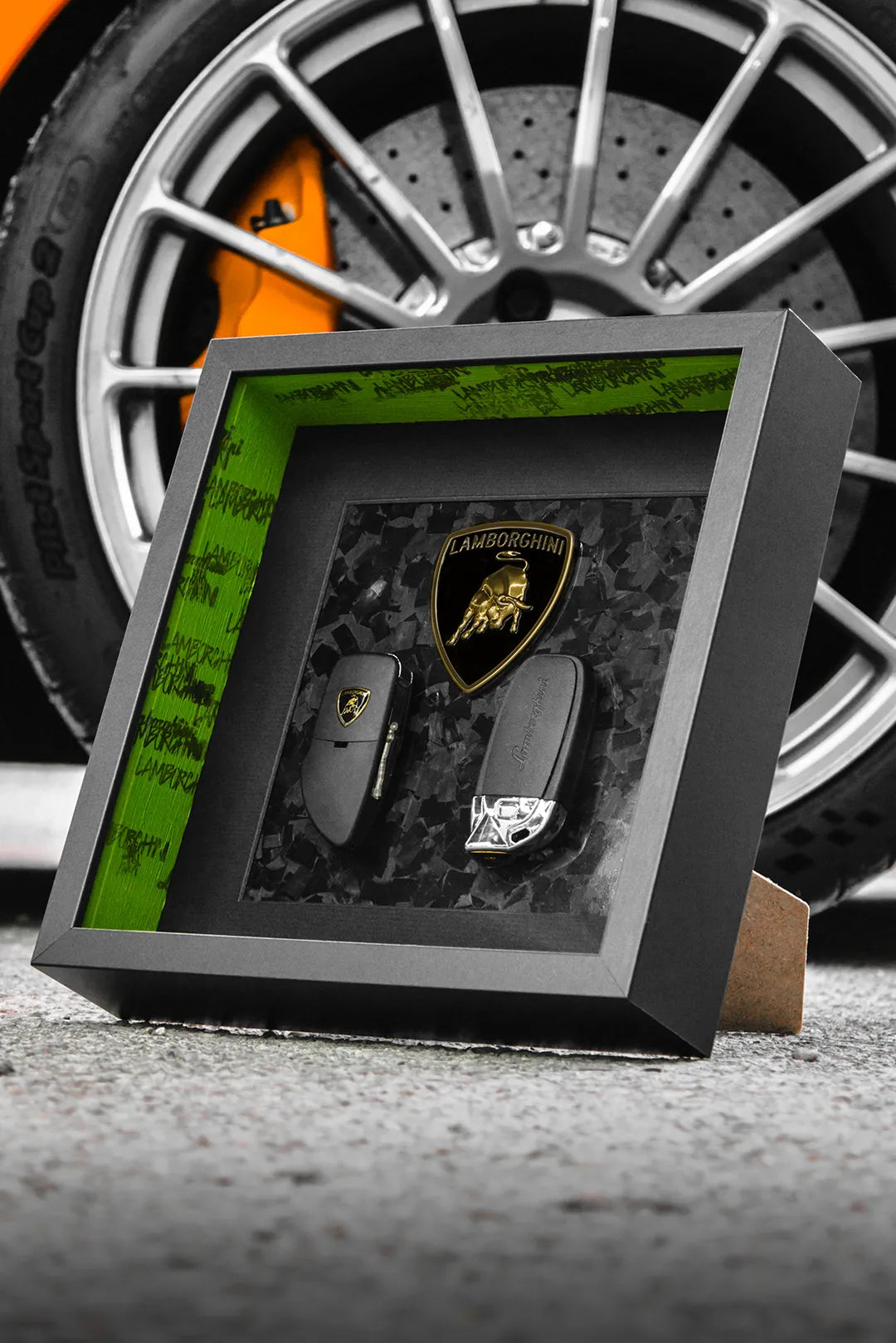
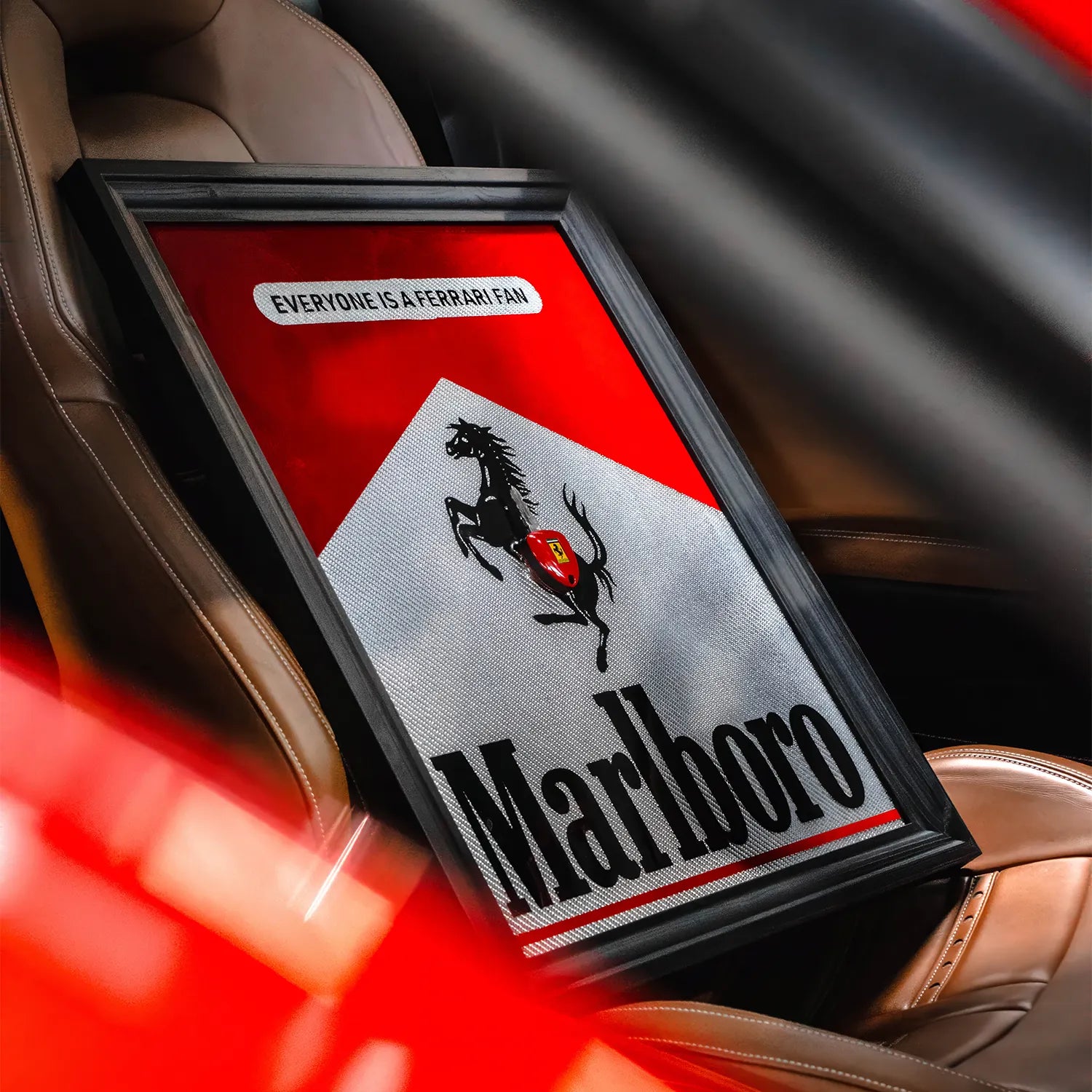
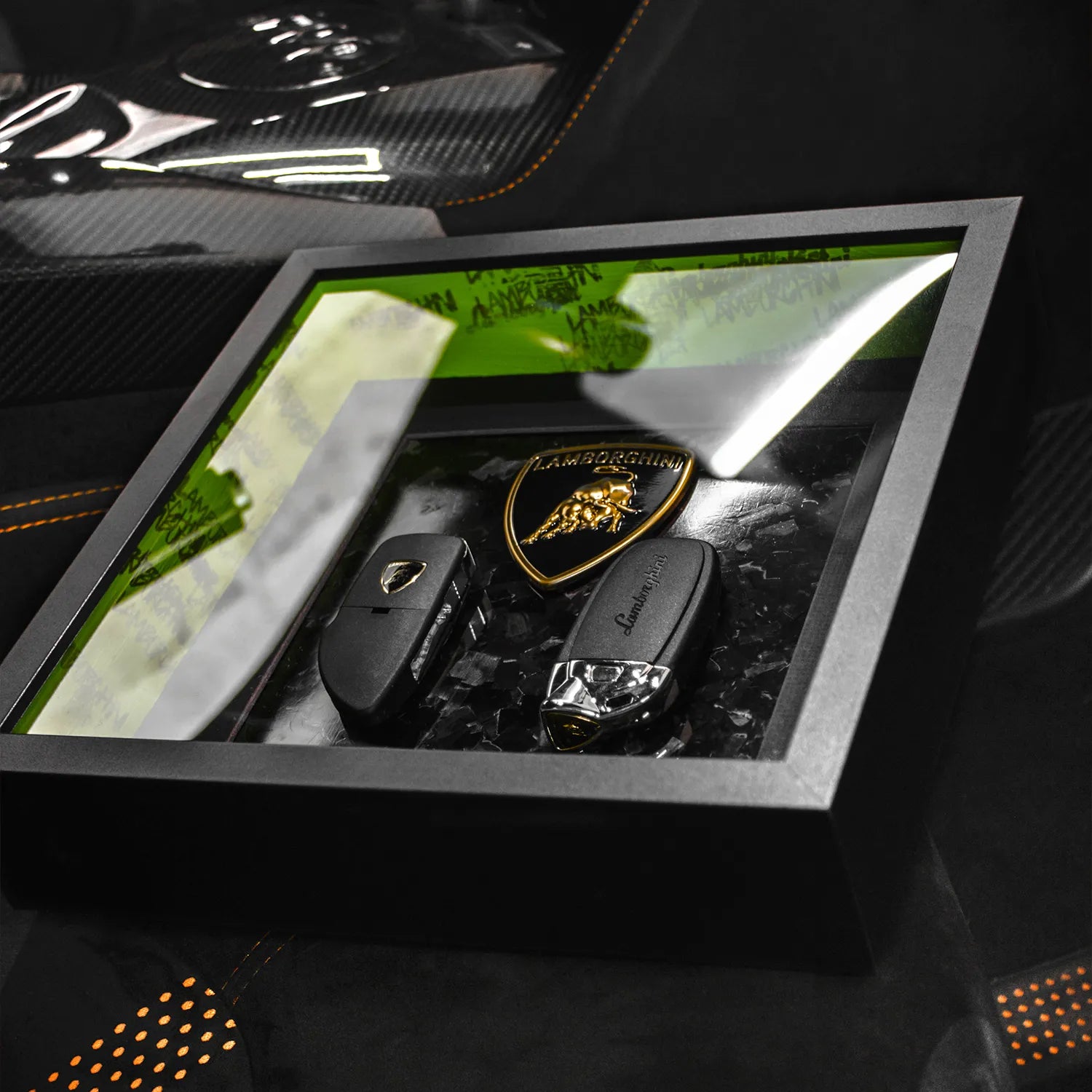
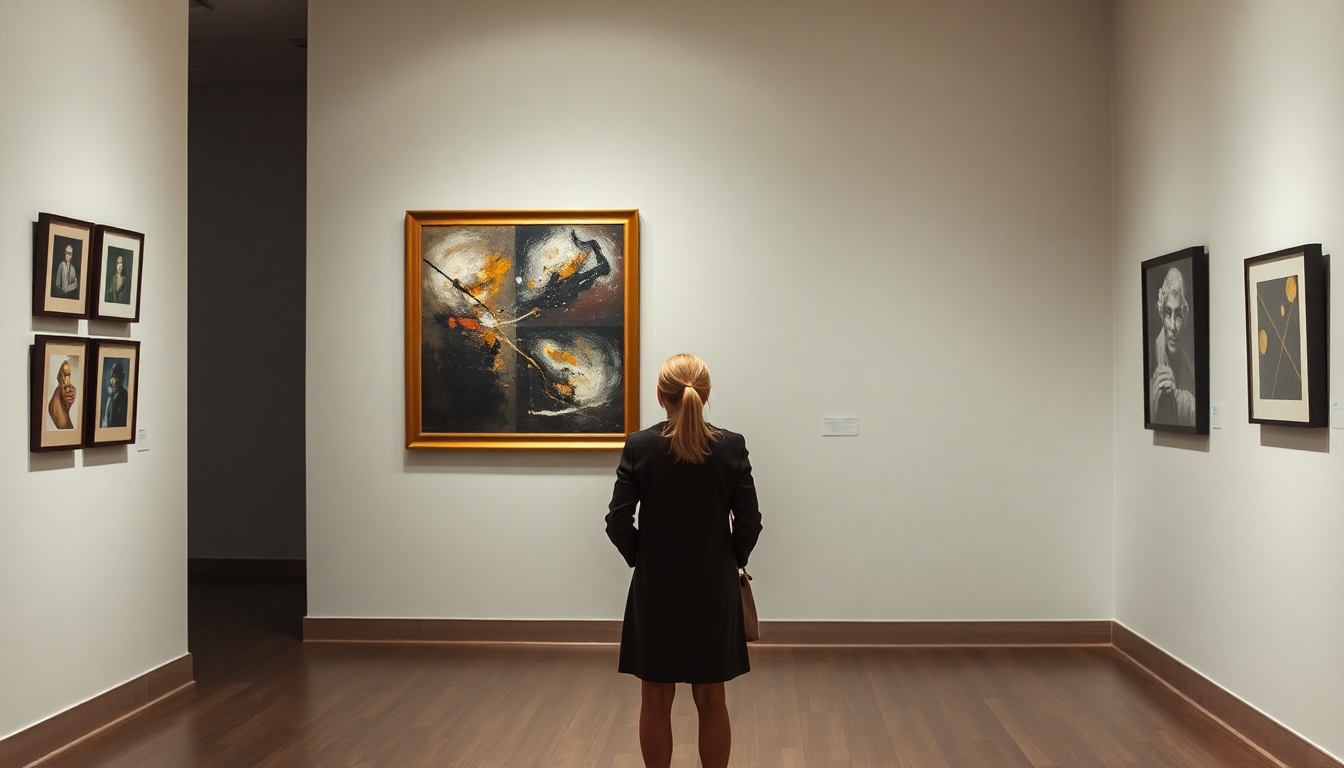
This is how the artist developed a unique approach, blending contemporary art and automotive elements. In his studio, one can see paintings where keys from Ferraris or other prestigious brands are carefully framed, creating a fascinating dialogue between the mechanical and artistic worlds.
Unique and investable works
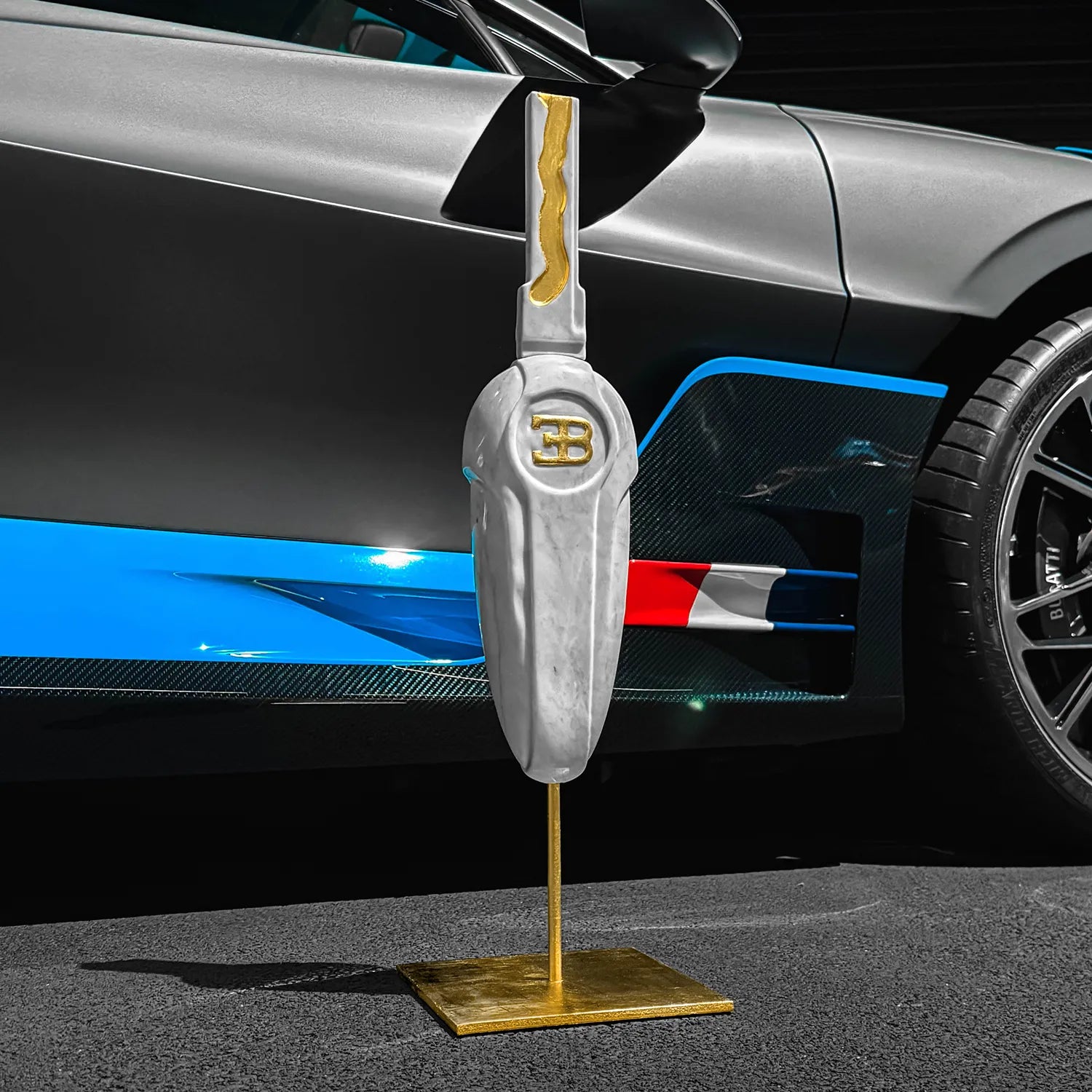
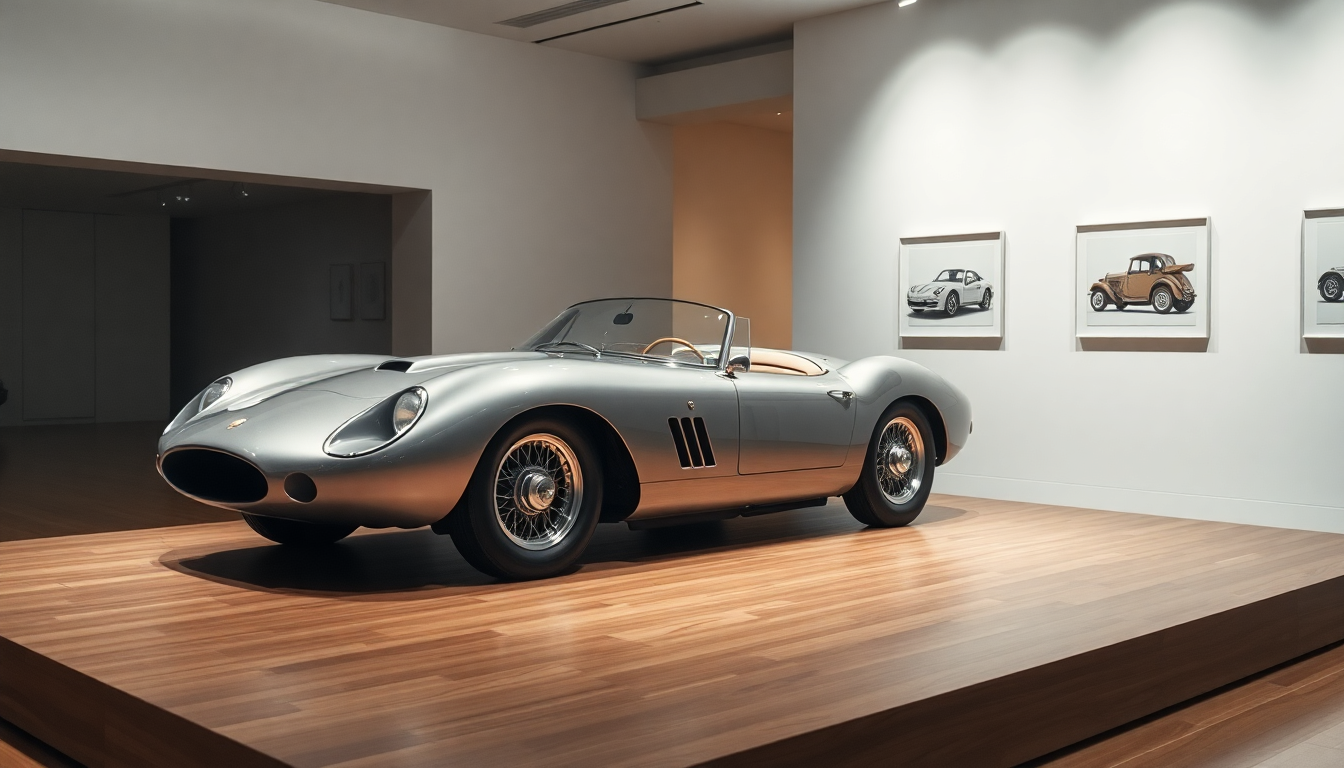
But Hilario doesn't stop there. He goes further by creating true sculptures from car parts. Wings, hoods, headlights, everything becomes raw material for his creations. "I like the idea of giving these elements a second life, of transforming them into works of art that have meaning and value," he says.
These sculptures, truly unique pieces, are highly sought after by automotive art collectors. Indeed, the enthusiasm for this type of artwork continues to grow, making automotive art a genuine investment.
"Today, collectors are looking for works that combine passion, rarity and artistic value. My creations perfectly meet these criteria," Hilario points out.
A rapidly expanding market
The automotive art market is currently experiencing strong growth, driven by several factors. First, nostalgia for vintage cars and the desire to own unique and authentic pieces appeal to many enthusiasts. Second, automotive art is increasingly recognized for its artistic value, on par with other forms of contemporary expression.
"We are witnessing a genuine recognition of automotive art as a movement in its own right. Museums, galleries and collectors are taking an increasing interest in it, which helps to enhance the value of this type of work," explains Hilario.
Finally, automotive art holds particular appeal for investors, who see it as a safe and sustainable investment. Indeed, rare pieces and works by renowned artists generally see their value increase over time, making automotive art a prime investment.
An innovative and sustainable approach
Beyond the artistic and financial value of his creations, Hilario places great importance on the sustainable and responsible aspect of his work. He uses recycled materials, such as parts from old cars, and strives to reduce his carbon footprint.
"For me, art must also have a positive impact on the environment. That's why I am committed to using recycled materials and developing the most environmentally friendly production techniques possible," says the artist.
This ethical and sustainable approach is attracting more and more collectors, who see it as a way to reconcile their passion for art with their concern for the environment.
Conclusion: Automotive art, an investment for the future
At Hilario'Art, a passion for automobiles becomes a true artistic investment. Thanks to his innovative and sustainable approach, the French artist succeeds in creating unique works, sought after by collectors worldwide.
Whether for their artistic value, their rarity, or their investment potential, Hilario's creations appeal to an ever-growing audience, fascinated by this encounter between art and automobiles. A successful marriage that opens the way to exciting new perspectives for contemporary art.