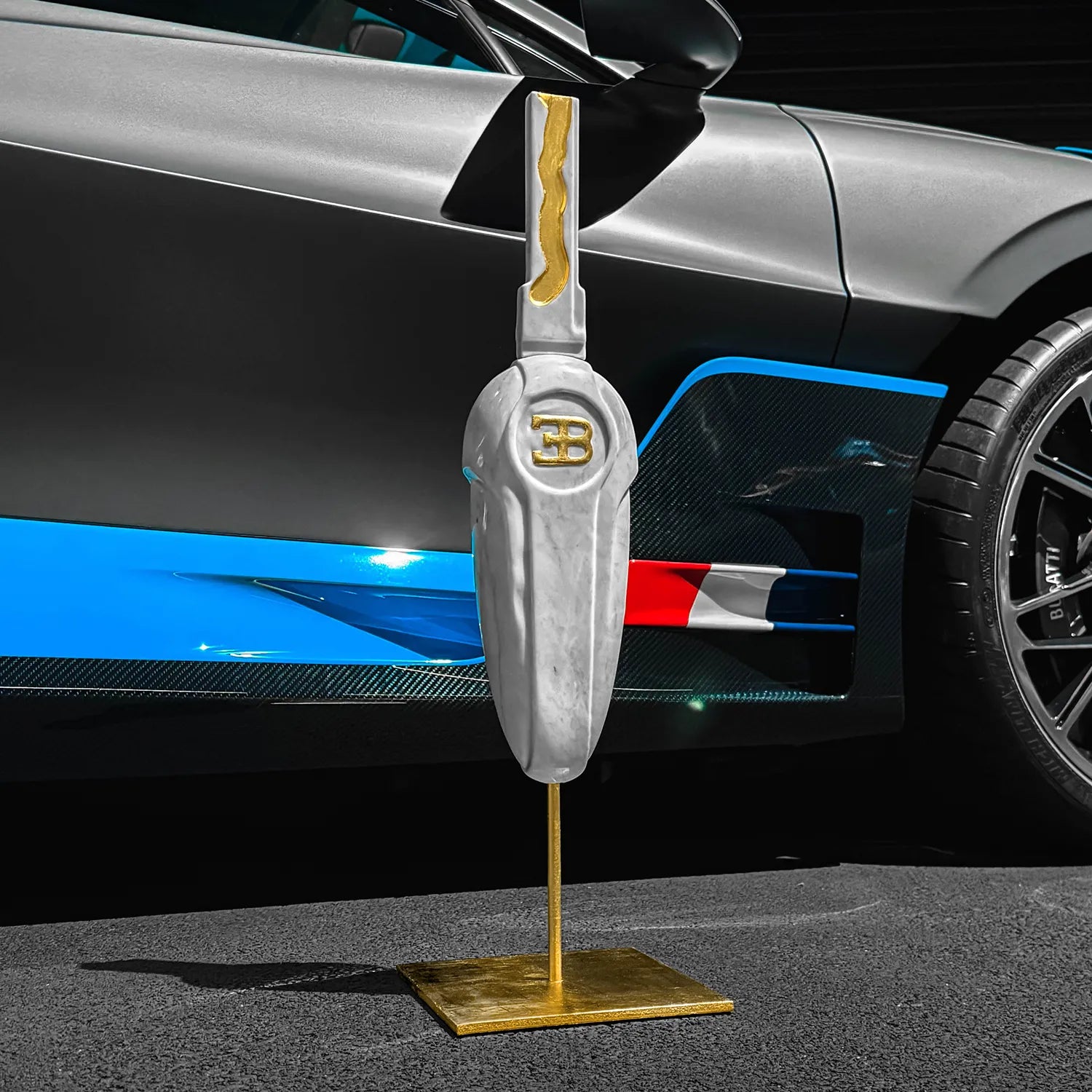

From Mechanical Object to Artwork: The Automotive Transformation
In the ever-evolving world of art, the boundaries between traditional mediums and unconventional materials continue to blur. One such artist who has seamlessly bridged the gap between the mechanical and the artistic is Hilario, a French artist with a unique passion for transforming automotive components into captivating works of art.
Hilario's journey began with his formal education in contemporary art and graphic design, but his true calling lay in the realm of composite materials and sculpture. Driven by a deep fascination with the automotive industry, he has dedicated his artistic practice to redefining the perception of cars, elevating them from mere modes of transportation to stunning visual masterpieces.
The Automotive Transformation
At the heart of Hilario's work lies a profound understanding of the intricate beauty that lies within the mechanical components of automobiles. From the sleek curves of a Ferrari's bodywork to the intricate details of a dashboard, he meticulously selects and repurposes these elements, infusing them with a new life and a fresh artistic perspective.
One of the hallmarks of Hilario's creations is the seamless integration of car parts into his sculptural compositions. By carefully arranging and manipulating these components, he creates a harmonious dialogue between the functional and the aesthetic, challenging the viewer to reconsider the inherent beauty of the machine.
The Art of Framing
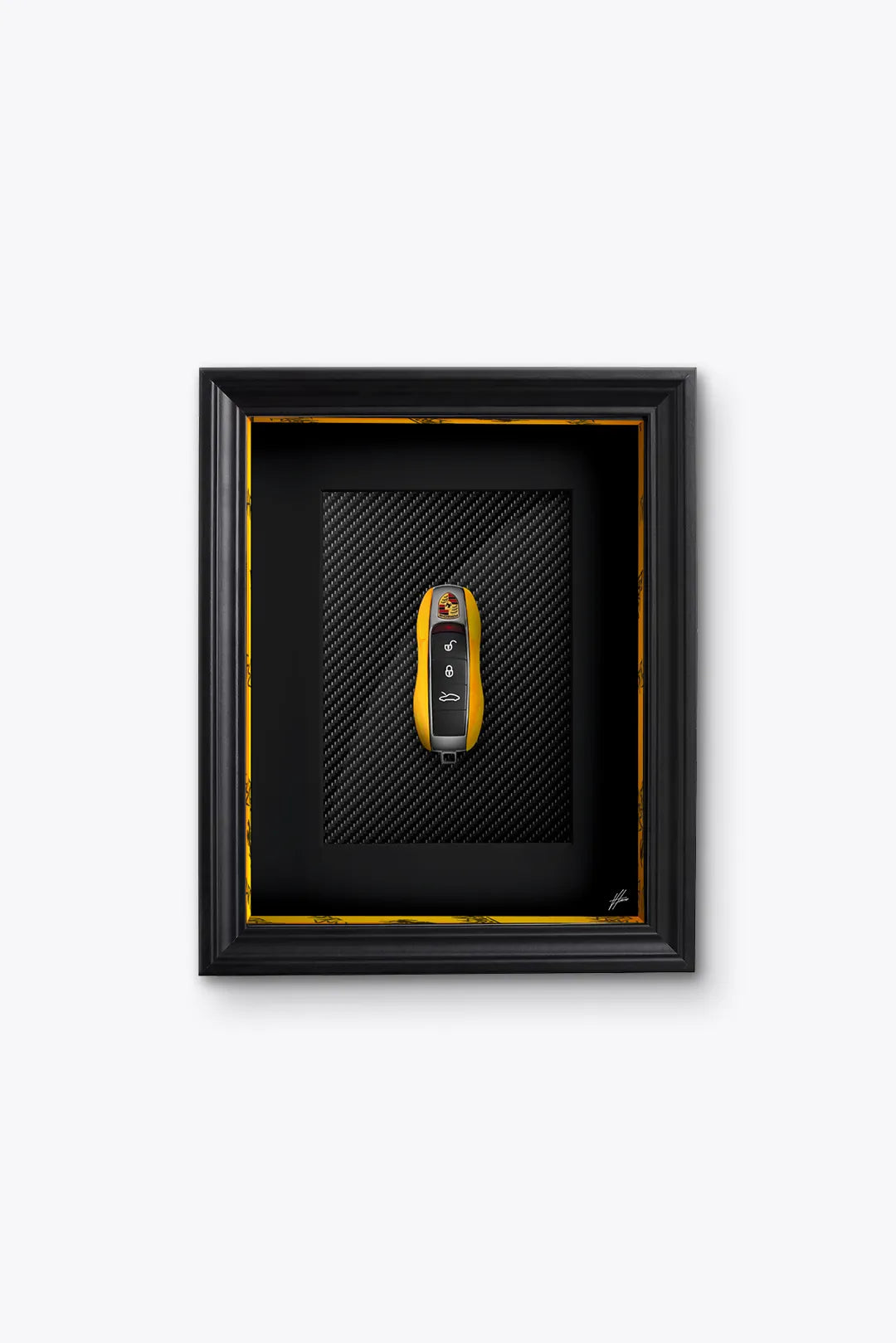
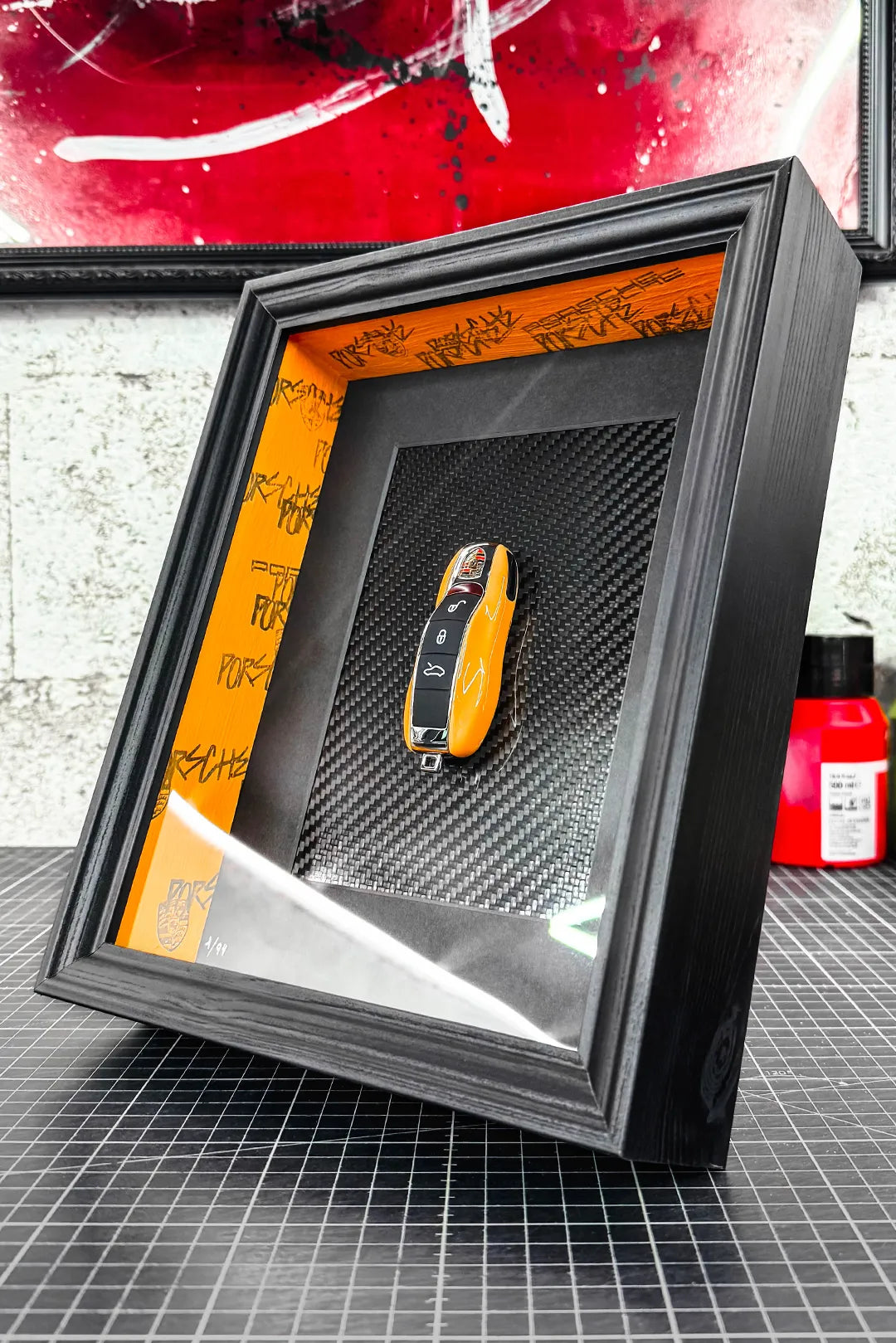
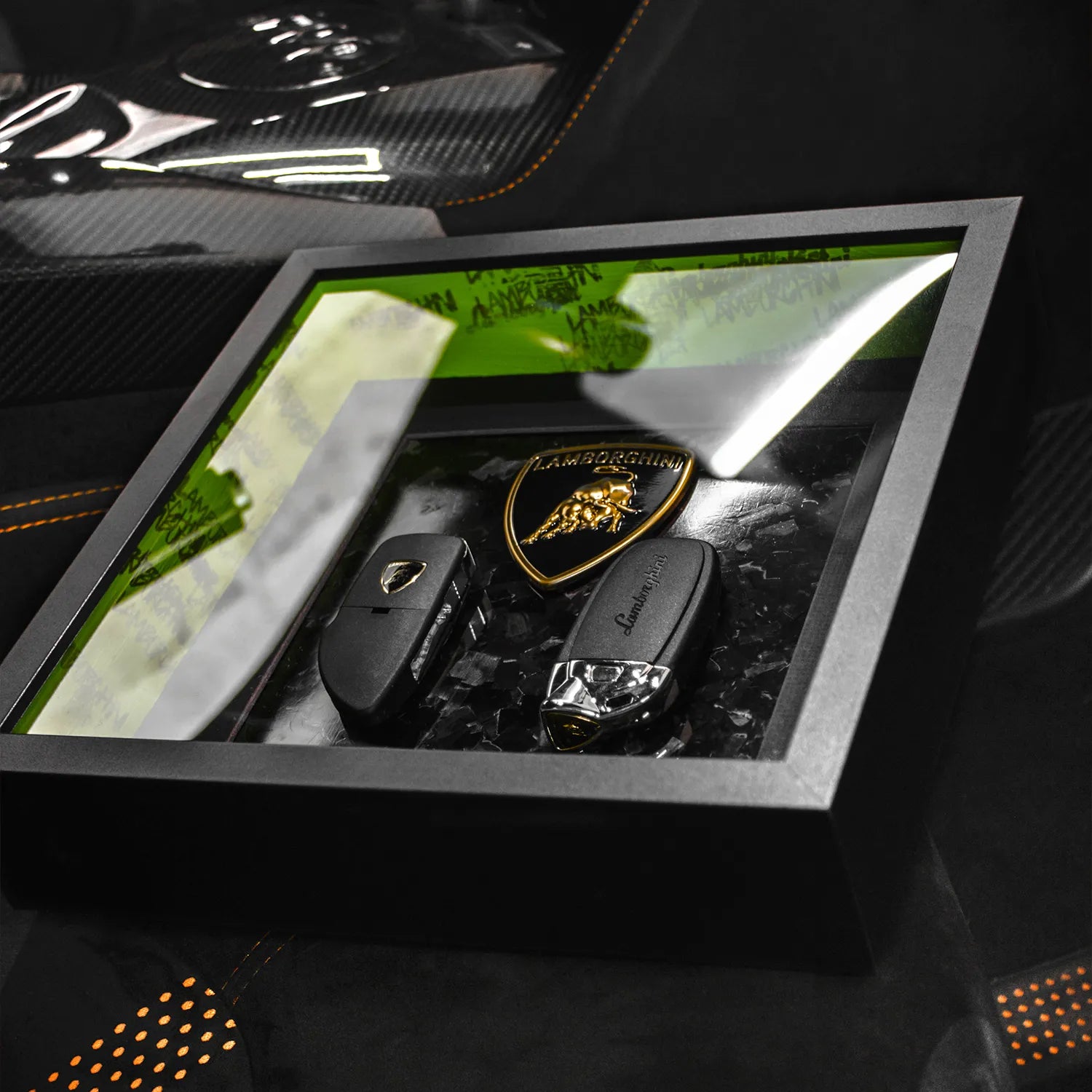
Hilario's approach to showcasing his automotive-inspired artworks is equally innovative. Rather than simply displaying the sculptures, he often frames them, much like one would frame a traditional painting. This technique serves to elevate the car parts, transforming them into objects of contemplation and appreciation.
The frames themselves become an integral part of the artwork, serving as a visual boundary that separates the mechanical from the artistic. By encasing the car parts within these carefully crafted frames, Hilario invites the viewer to engage with the work on a deeper level, encouraging them to explore the intricate details and the underlying narratives that each piece conveys.
The Automotive Canvas
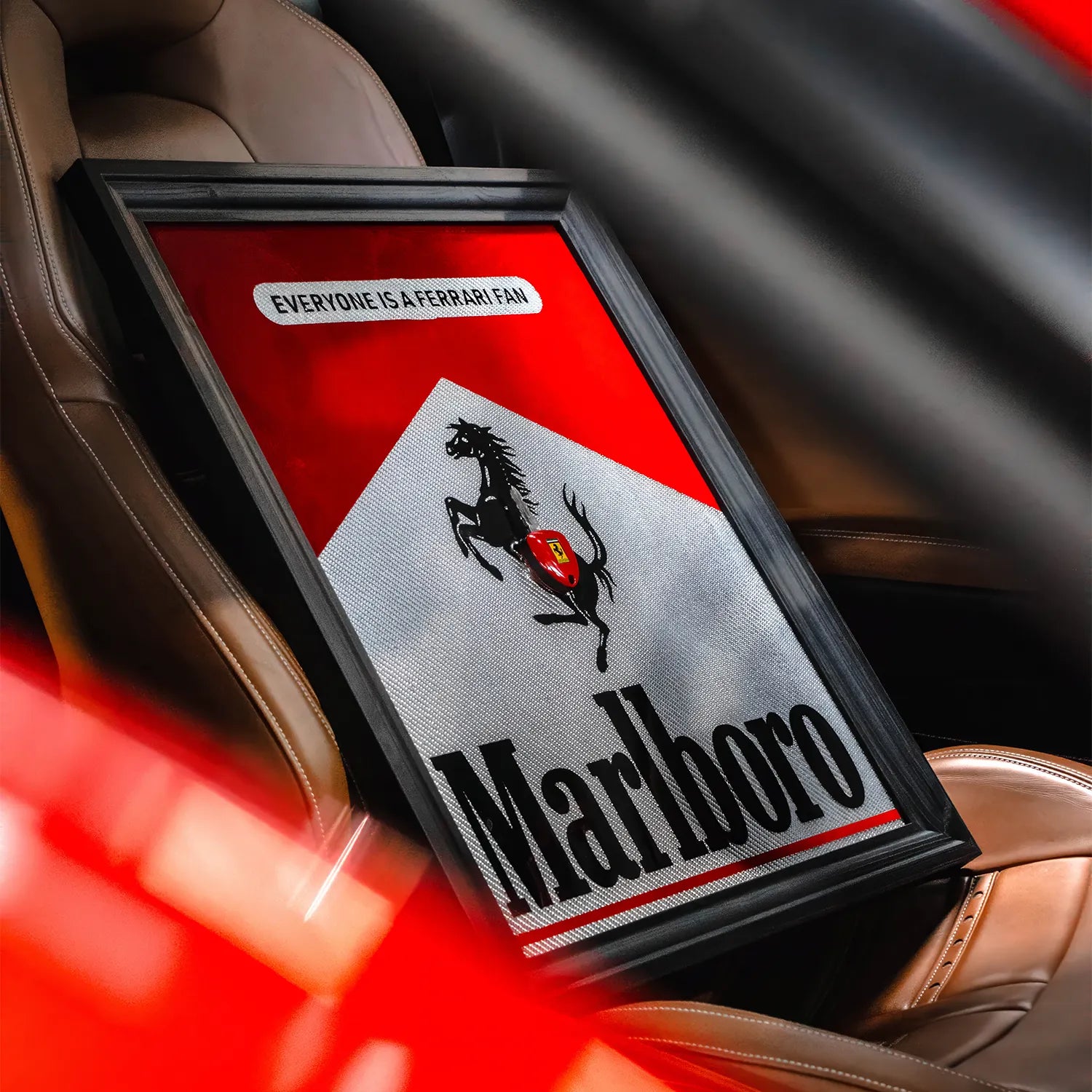
In addition to his sculptural works, Hilario has also explored the use of car parts as a canvas for his artistic expression. He has created a series of paintings that incorporate elements such as Ferrari keys, strategically placed within the composition to create a striking visual juxtaposition.
These works challenge the traditional notion of painting, blurring the lines between the two-dimensional and the three-dimensional. The inclusion of the car keys not only adds a tactile element to the artwork but also serves as a symbolic representation of the automotive industry's influence on Hilario's creative process.
The Automotive Aesthetic
Hilario's artistic vision extends beyond the mere incorporation of car parts into his works. He has also developed a unique aesthetic that reflects the sleek, modern, and high-performance nature of the automotive industry. His sculptures and paintings often feature bold, dynamic compositions, with a strong emphasis on clean lines, geometric shapes, and a vibrant color palette.
This aesthetic sensitivity is not merely a stylistic choice but rather a deliberate attempt to capture the essence of the automotive world. By infusing his art with the visual language of the car, Hilario invites the viewer to engage with the work on a deeper level, drawing connections between the mechanical and the artistic realms.
The Automotive Narrative
Underlying Hilario's artistic practice is a profound exploration of the relationship between humans and machines. Through his work, he seeks to challenge the traditional perceptions of the automotive industry, reframing it as a source of artistic inspiration and creative expression.
Each of Hilario's creations tells a story, a narrative that delves into the intersection of technology, design, and human experience. By repurposing car parts and elevating them to the status of art, he invites the viewer to consider the deeper implications of our relationship with the machines that shape our daily lives.
The Automotive Legacy
Hilario's artistic journey is not merely a personal exploration but also a reflection of the broader cultural and historical significance of the automotive industry. His work pays homage to the rich legacy of automotive design, celebrating the ingenuity and craftsmanship that have defined the evolution of the car.
By incorporating these iconic elements into his art, Hilario not only pays tribute to the past but also envisions a future where the boundaries between the mechanical and the artistic continue to blur. His work serves as a testament to the transformative power of art, challenging us to rethink our perceptions and embrace the unexpected beauty that can emerge from the most unlikely of sources.
Conclusion
Hilario's artistic practice is a testament to the transformative power of the automotive industry. By repurposing car parts and elevating them to the status of art, he has created a unique and captivating body of work that invites the viewer to engage with the mechanical world in a new and profound way.
Through his sculptures, paintings, and framed compositions, Hilario has not only challenged the traditional boundaries of art but also sparked a deeper conversation about the relationship between humans and machines. His work serves as a testament to the enduring legacy of the automotive industry, and a testament to the boundless creativity that can emerge when we embrace the unexpected and the unconventional.
As we continue to navigate the ever-evolving landscape of contemporary art, Hilario's work stands as a shining example of the transformative power of the automotive world, reminding us that the most ordinary of objects can be elevated to the extraordinary when viewed through the lens of artistic vision.