
From the garage to the gallery: how automotive art finds its place in the museum
Automotive art, a rapidly expanding movement
For a long time, automotive art was considered a niche field, reserved for enthusiasts and collectors. However, in recent years, this artistic movement has experienced a real explosion, gaining recognition and legitimacy in the world of contemporary art.
Hilario'Art, a pioneering gallery in this field
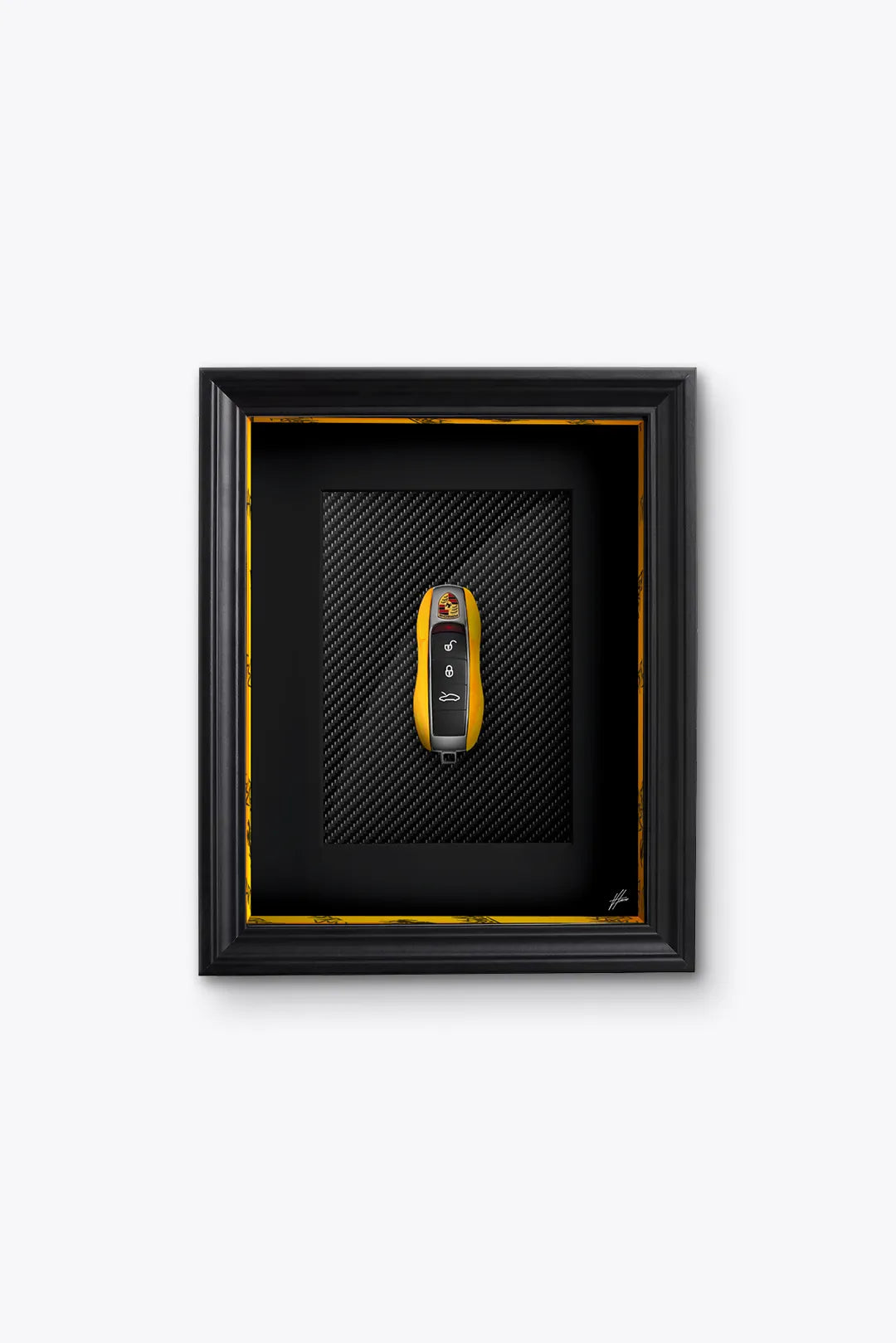
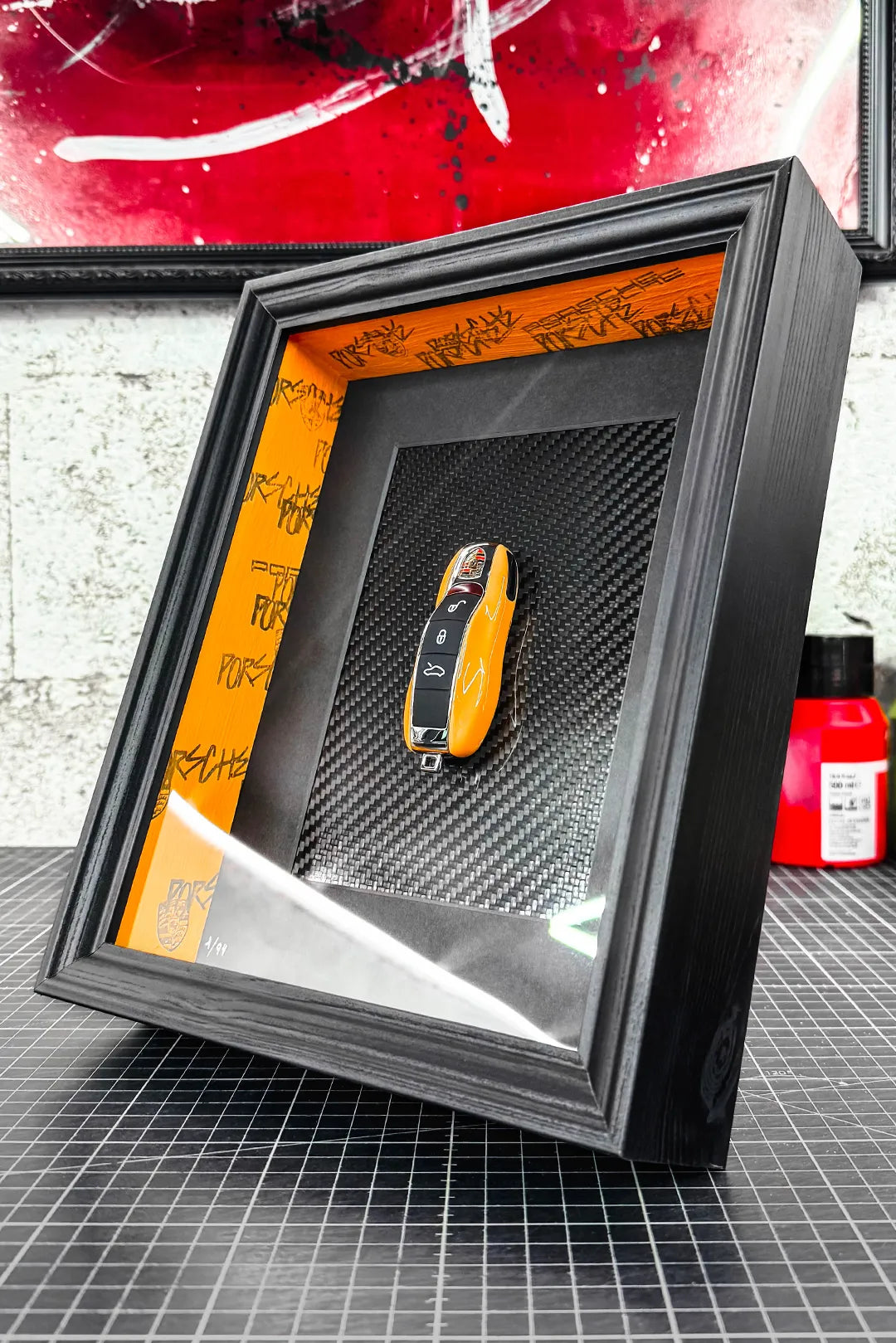
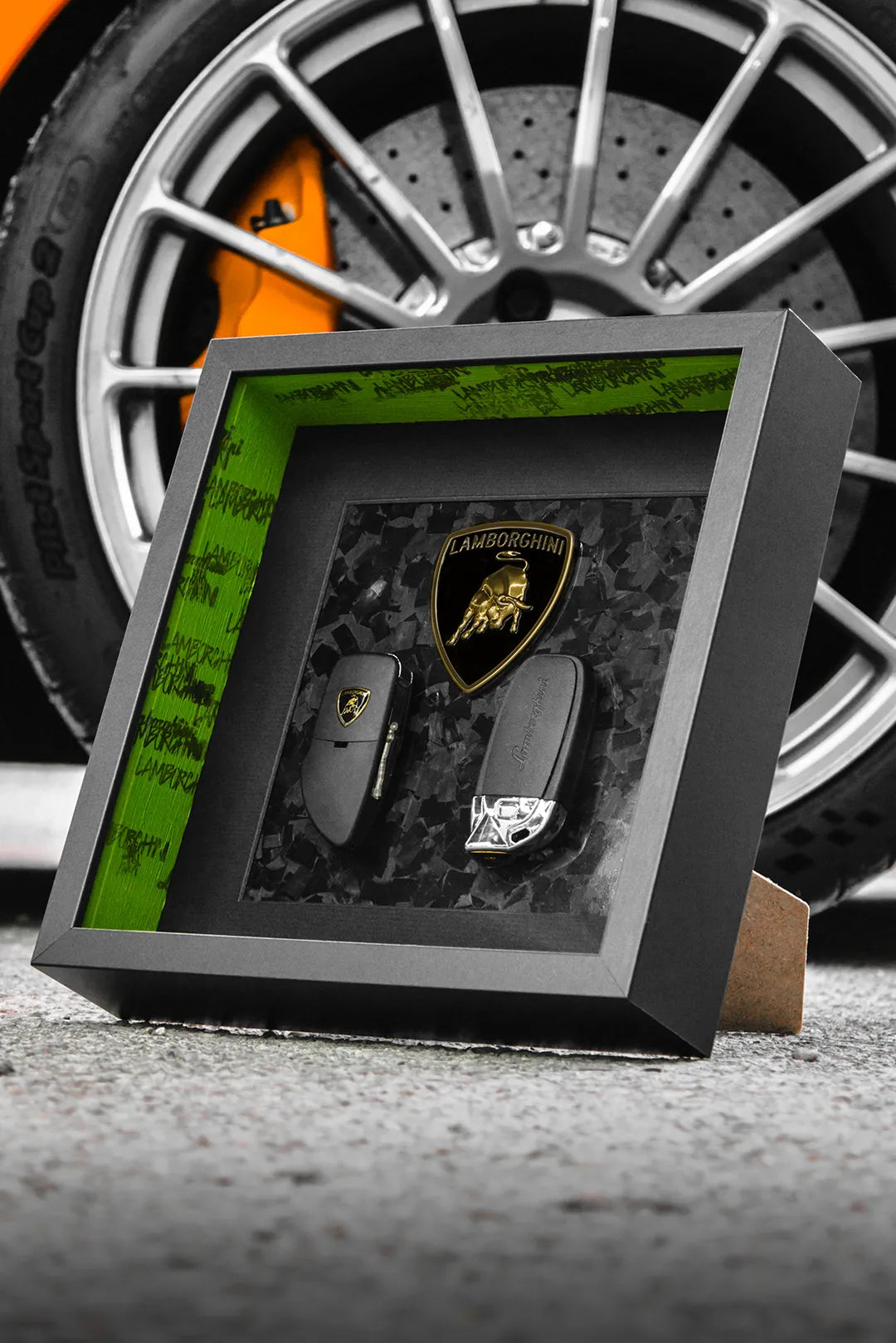
Among the key players in this evolution is the Hilario'Art gallery, founded by the French artist Hilario. A graduate of a contemporary art and graphic design school, Hilario specialized in composite materials and sculpture. His works, which combine art and automobiles, quickly garnered the interest of the public and museum institutions.
Automotive art, a new artistic language
What makes automotive art so special? According to Hilario, it's its ability to transcend the boundaries between the automotive world and that of contemporary art. "The automobile is a fascinating object, laden with symbols and meanings. By using it as a creative material, we can explore new forms of artistic expression, while paying homage to the ingenuity and beauty of these machines."
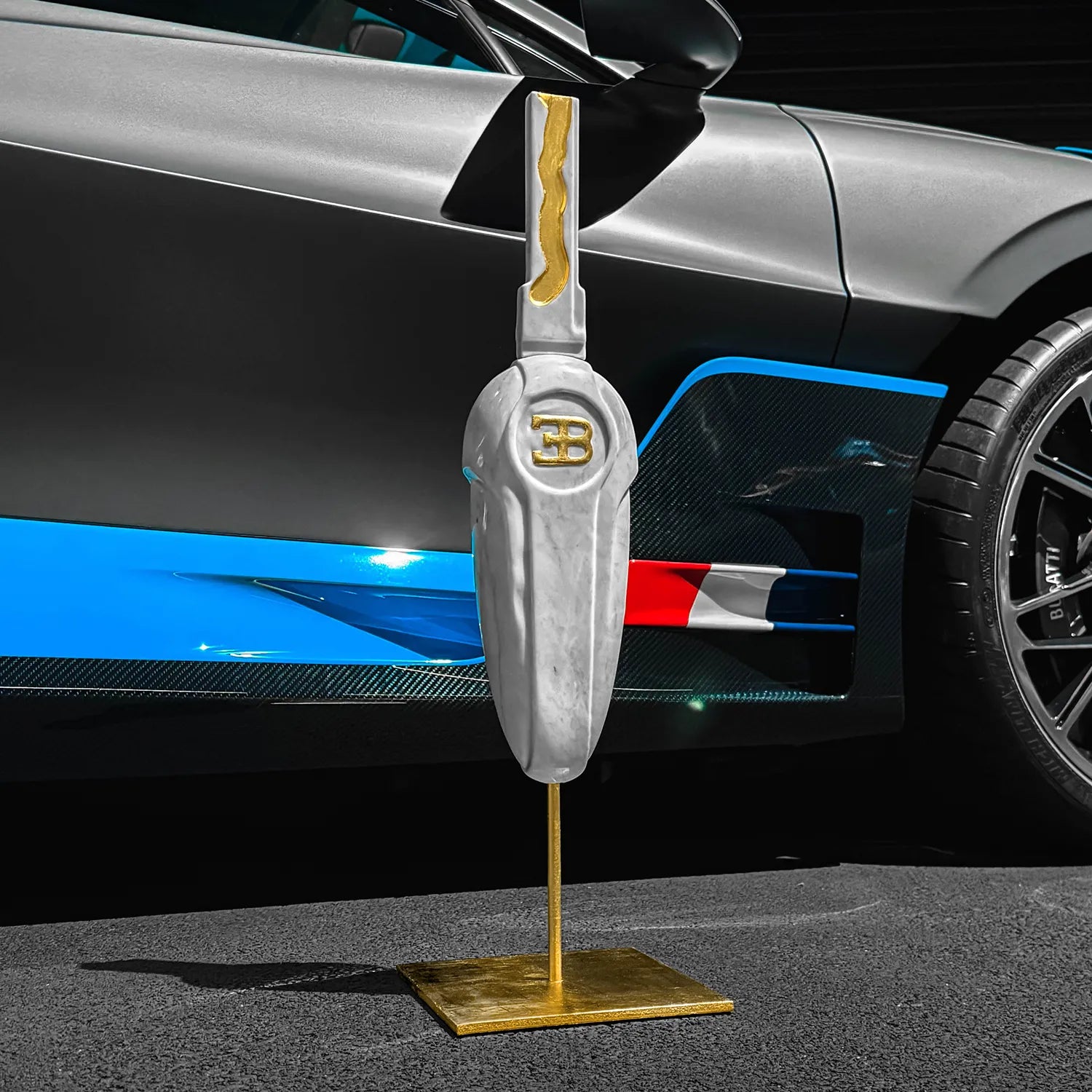
His works, which blend body parts, engines, and design elements, demonstrate this desire to create a dialogue between two seemingly disparate worlds. "Each painting, each sculpture, is an invitation to rethink our relationship with the automobile, to see it no longer simply as a means of transport, but as an aesthetic object, imbued with meaning and emotion."
Automotive art, a reflection of our society
Beyond its purely aesthetic aspect, automotive art can also be seen as a mirror of our society. "The automobile is a central element of our daily lives, shaping our relationship to space, mobility, and consumption. By engaging with this object, artists can help us better understand the social, environmental, and economic issues associated with it."
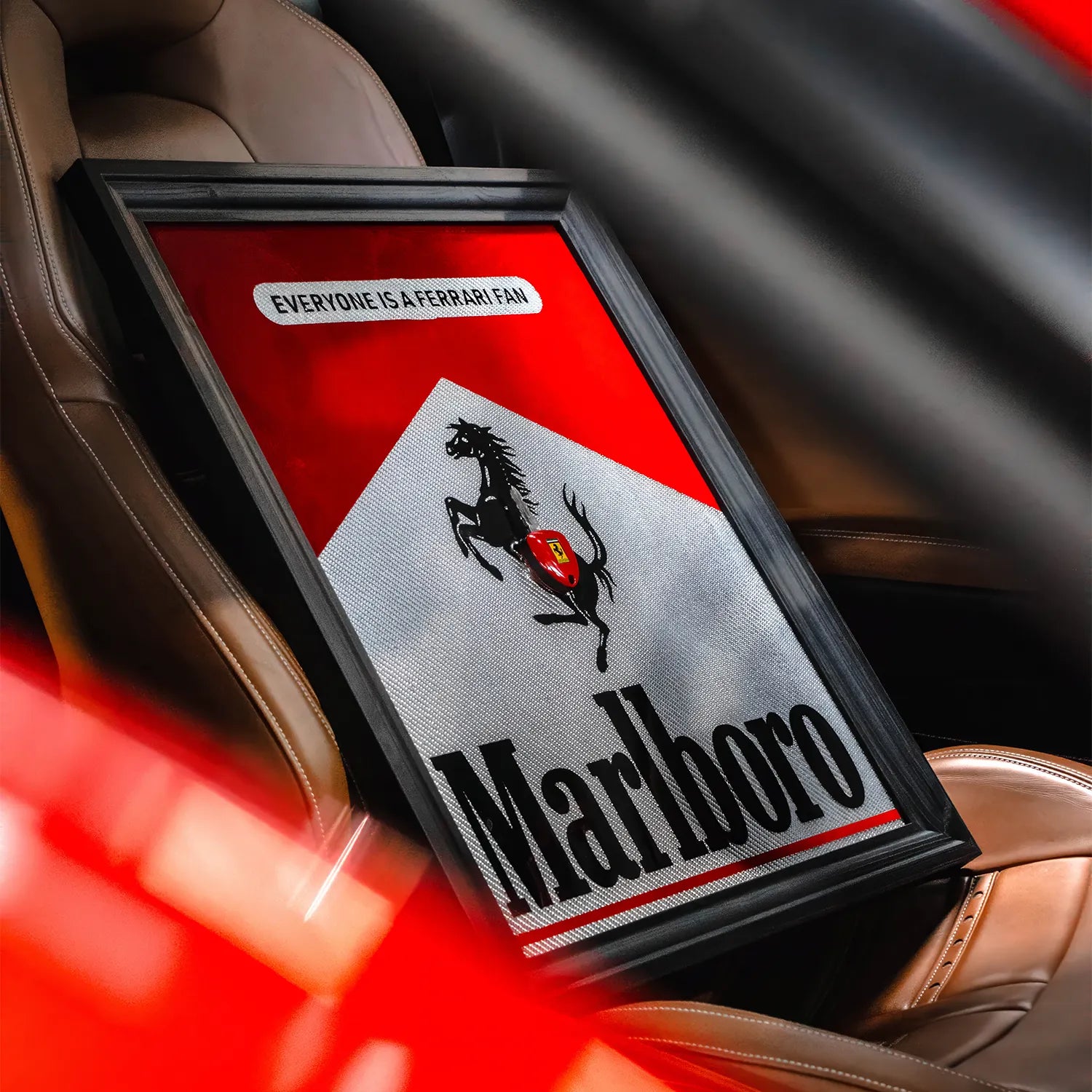
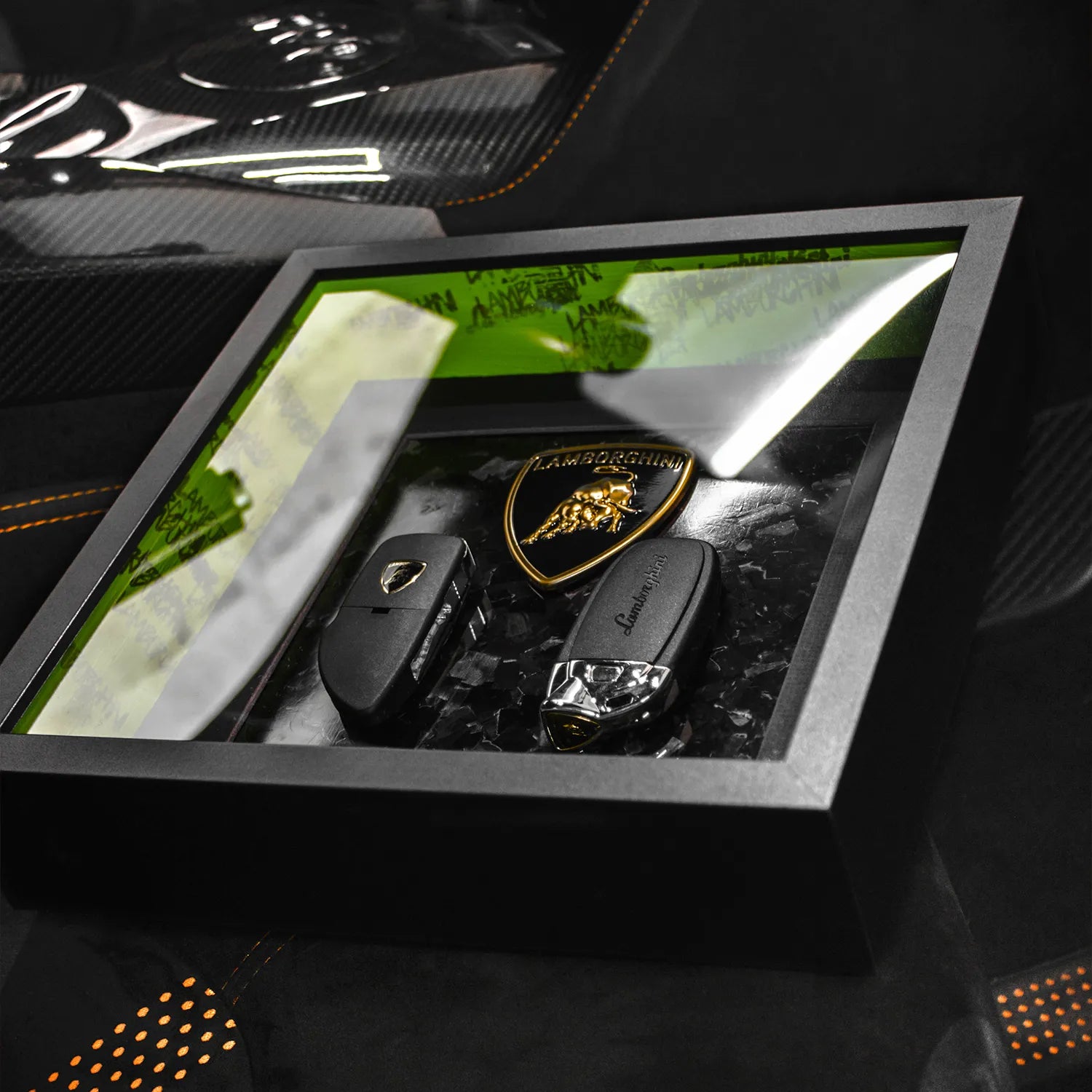
Hilario's works, for example, address themes such as overconsumption, planned obsolescence, and the ecological transition. "My paintings with framed Ferrari keys invite the viewer to question our relationship with luxury cars and the place they occupy in our society."
Automotive art: growing recognition
While automotive art was long confined to circles of enthusiasts, it is now gaining visibility and legitimacy. More and more museums and contemporary art galleries are embracing this movement, offering artists like Hilario new opportunities for exhibition and recognition.
"When I started working on automotive art about ten years ago, it was still a very niche field. Today, I am regularly invited to participate in exhibitions at prestigious institutions, which shows that this type of art has managed to establish itself in the cultural landscape."
Automotive art, a driver of innovation
Beyond its artistic dimension, automotive art can also be seen as a driver of innovation. By exploring new creative techniques and pushing the boundaries of materials, artists contribute to the evolution of practices and expertise.
"Working with body parts, engines, and automotive design elements requires developing new skills and mastering specific technologies. It's a real creative challenge that pushes artists to rethink their manufacturing processes."
This dynamic of innovation also benefits the automotive industry itself, which can draw inspiration from the experiments carried out by artists to evolve its own products and services.
Conclusion: Automotive art, a movement of the future
In short, automotive art appears as a rapidly expanding artistic movement, gaining recognition and legitimacy. Thanks to players like the Hilario'Art gallery, it is gradually establishing itself as a new artistic language, capable of making us rethink our relationship with the automobile and with society.
Beyond its aesthetic dimension, this art can also be seen as a driver of innovation, contributing to the evolution of practices and skills. It is a fascinating field that deserves to be further explored and promoted in the years to come.